Choosing a car today is not easy. Many people ask: Should I buy a gas car or an electric car? One big part of the answer is the cost. How much will you spend to buy and use each type? This article helps you understand the costs. We will explain the main costs for gas and electric cars. You will learn what to expect when you buy and use each.
What Is a Gas vs Electric Car Cost Calculator?
A Gas vs Electric Car Cost Calculator is a tool. It helps you compare the costs of two cars. One uses gasoline (gas), the other uses electricity (electric). The calculator shows how much money you spend on each car over time. It looks at many things like price, fuel, repairs, and more.
Why use a calculator? Because costs can be hard to guess. Gas and electric cars cost different amounts in many ways. The calculator helps you see the full picture. It shows which car may be cheaper for you.
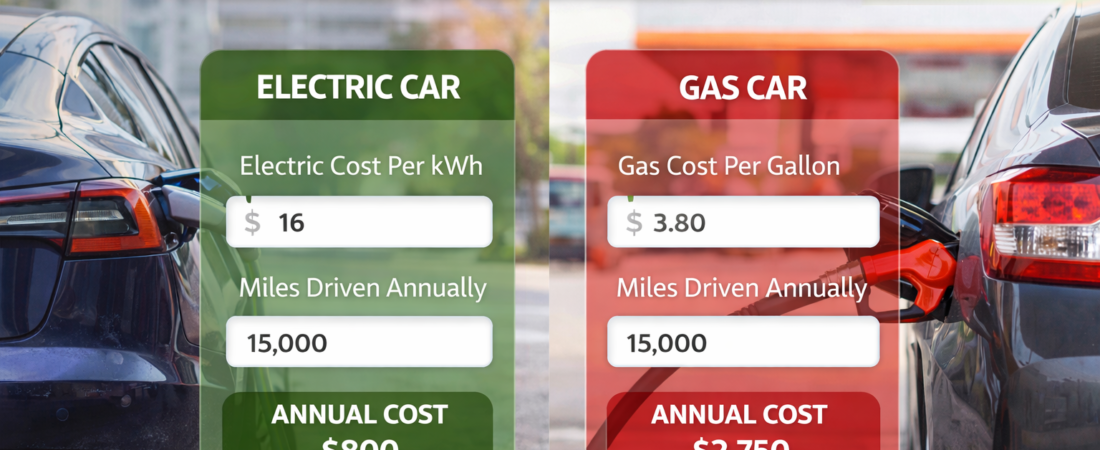
Cost of Electric Car Vs Gas: Uncover Shocking Savings Today
Main Cost Areas to Compare
We will look at the main cost parts. These are the biggest things you pay for when you own a car. Knowing these will help you use the cost calculator well.
| Cost Area | Gas Car | Electric Car |
|---|---|---|
| Purchase Price | Usually lower | Usually higher |
| Fuel Costs | Gasoline cost per mile | Electricity cost per mile |
| Maintenance & Repairs | Regular oil changes, engine work | Less regular maintenance, but costly battery repairs |
| Charging/Fueling Time | Few minutes to fill tank | Longer time to charge battery |
| Range | Long distance per fill-up | Shorter distance per charge |
| Resale Value | Stable, known values | Varies, battery life affects value |
Purchase Price: What You Pay First
Electric cars usually cost more at the start. This is because their batteries are expensive. Gas cars are cheaper to buy. But this is only one part of the cost. You must think about other costs too.
Many electric cars offer tax credits or discounts. This can lower the price a little. But these offers depend on where you live. Check your local rules before buying.
Fuel Costs: Gasoline vs Electricity
Fuel cost is what you pay to run the car. Gas cars need gasoline. Electric cars use electricity. Which is cheaper?
- Gasoline prices change a lot. Sometimes they are high, sometimes low.
- Electricity
On average, electric cars cost less to “fill up.” This saves money over time. But electric rates can vary by location and time of day. Nighttime electricity may be cheaper.
Maintenance and Repairs
Gas cars need regular oil changes and engine tune-ups. These costs add up.
Electric cars have fewer moving parts. They do not need oil changes. Their brakes last longer because of special systems.
However, electric cars have costly parts like batteries. Battery repairs or replacement can be very expensive. Also, some electric car repairs need special skills and tools.
Charging and Fueling Time
Gas cars can fill their tanks in a few minutes. Gas stations are common and easy to find.
Electric cars take longer to charge. A full charge can take from 30 minutes to many hours. Fast chargers help but are not everywhere. Charging stations are fewer than gas stations, especially in rural areas.
Long charging times and fewer stations cause “range anxiety.” This means people worry about running out of power far from a charger.
Driving Range
Gas cars can drive far on one tank. Usually 300 to 400 miles or more.
Electric cars have less range. Most can go 100 to 300 miles on a full charge. This depends on the model and battery size.
Weather can affect electric car range. Very hot or cold weather lowers battery efficiency. Gas cars are less affected by weather.
Battery Life and Replacement
Batteries in electric cars lose capacity over time. This means the car can drive less distance after several years.
Battery replacement is expensive. It can cost thousands of dollars. This is an important cost to plan for.
Environmental Impact
Electric cars do not release exhaust fumes. This helps reduce air pollution. But making batteries uses a lot of minerals and energy. This can harm the environment.
Gas cars burn gasoline and release carbon dioxide. This adds to air pollution and climate change.
Choosing between gas and electric also means thinking about the environment.
Other Important Factors
- Weight: Electric cars are heavier due to batteries. This affects tire wear and safety.
- Model Choices: Gas cars have more types and styles available.
- Resale Value: Electric cars may lose value faster because of battery issues.