Choosing a car is important. You want a vehicle that fits your needs and budget. Today, many people ask: Should I buy an electric car or a gas car? Both types have good points and bad points. This article will help you understand the differences.
What Are Electric Cars and Gas Cars?
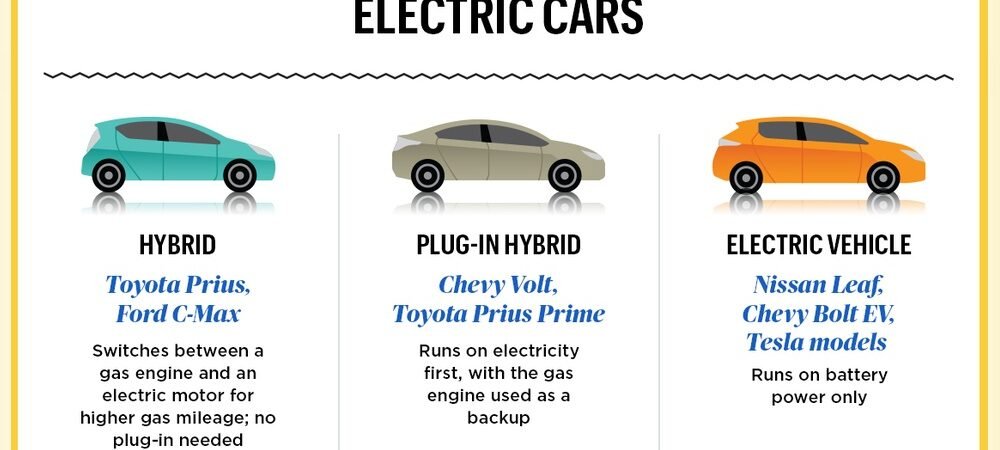
Electric cars run on electricity stored in batteries. You charge them by plugging into a power source.
Gas cars use gasoline or diesel fuel. They burn fuel inside an engine to move.
Advantages of Electric Cars
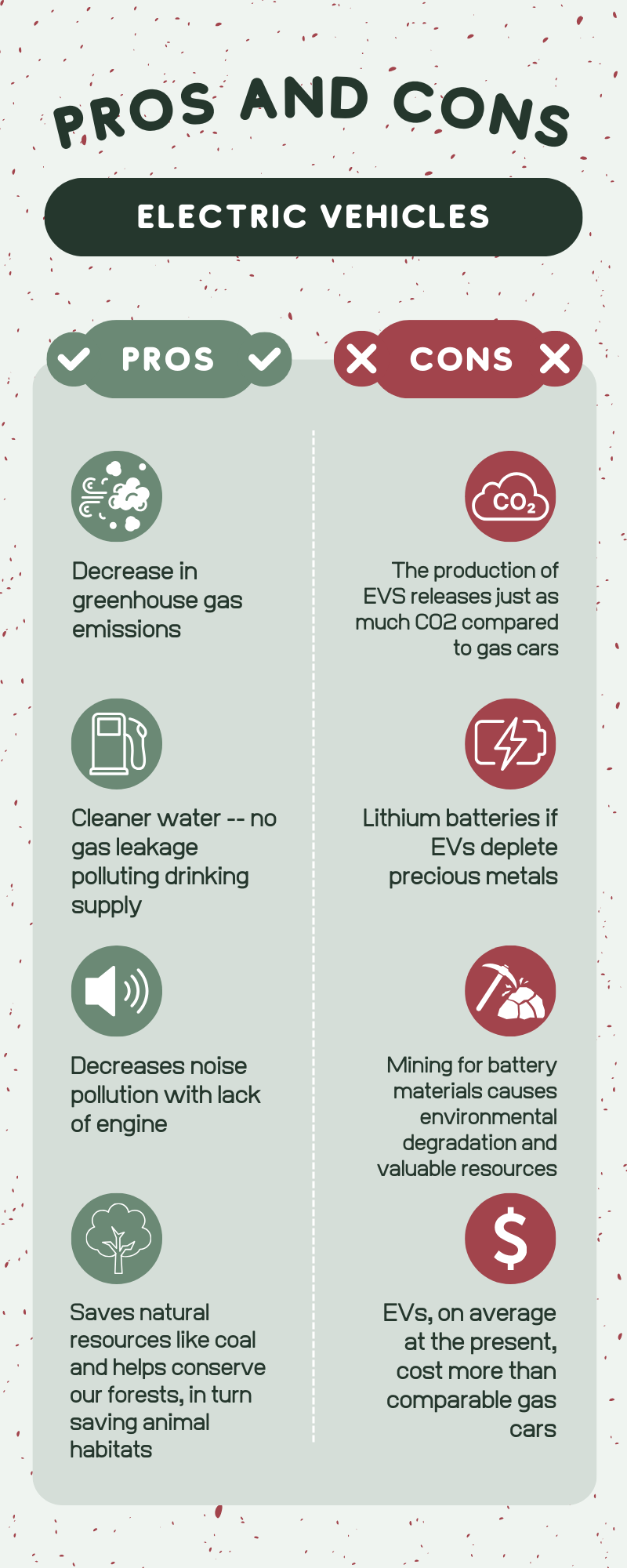
- Clean Energy: Electric cars produce no tailpipe pollution. This means less dirty air in cities.
- Lower Fuel Cost: Charging an electric car usually costs less than buying gas.
- Quiet Driving: Electric cars make less noise than gas cars.
- Simple Maintenance: They have fewer moving parts, so they need less repair work.
- Instant Torque: Electric cars can accelerate quickly from a stop.
- Better for the Environment: If charged with renewable energy, they reduce greenhouse gases.
Disadvantages of Electric Cars
- Higher Initial Cost: Electric cars usually cost more to buy than gas cars.
- Range Anxiety: Fear of running out of battery power far from a charger.
- Charging Time: Charging takes longer than filling a gas tank.
- Limited Charging Stations: Not all places have easy access to chargers.
- Battery Life: Batteries lose power over time and can be expensive to replace.
- Environmental Concerns: Mining battery materials can harm the environment and people.
Credit: hendrickhudsonanchor.org
Advantages of Gas Cars
- Lower Purchase Price: Gas cars are usually cheaper to buy.
- Long Driving Range: Gas cars can travel far without refueling.
- Fast Refueling: Filling up a gas tank takes only a few minutes.
- More Stations: Gas stations are available almost everywhere.
- Proven Technology: Gas engines have been used for over 100 years.
- Good Resale Value: Gas cars hold value well in many markets.
Disadvantages of Gas Cars
- Pollution: Gas cars release harmful gases that damage air quality.
- Fuel Costs: Gasoline prices can be high and change often.
- More Maintenance: Gas engines need regular oil changes and repairs.
- Noisy: Gas cars are usually louder than electric cars.
- Dependence on Oil: Gas cars rely on fossil fuels, which are limited.
- Engine Wear: Gas engines have many moving parts that can wear out.
Key Challenges with Electric Cars
| Challenge | Description |
|---|---|
| Range Anxiety | People worry about running out of battery far from a charger. |
| Charging Infrastructure | Charging stations are not enough and may be broken or busy. |
| Charging Speed | Even fast chargers take longer than gas refueling. |
| Battery Degradation | Batteries lose capacity over time, reducing driving range. |
| Battery Replacement Cost | Replacing batteries can cost thousands of dollars. |
| High Upfront Price | Electric cars often cost more at purchase than gas cars. |
| Resale Value | Rapid technology changes may reduce resale prices. |
| Environmental Concerns | Mining battery materials impacts the environment and human rights. |
Environmental Impact Comparison
Electric cars do not produce exhaust gases. This helps reduce air pollution in cities.
Gas cars release carbon dioxide and other harmful gases. These gases cause climate change.
Electric cars need electricity to charge. If the electricity comes from coal, pollution is still a problem.
Using renewable energy (like solar or wind) to charge electric cars is better for Earth.
Cost Comparison: Electric vs Gas Cars
| Cost Type | Electric Cars | Gas Cars |
|---|---|---|
| Purchase Price | Higher | Lower |
| Fuel/Charging Cost | Lower | Higher |
| Maintenance Cost | Lower | Higher |
| Battery Replacement | High (after many years) | Not applicable |
Reliability and Maintenance
Gas cars have many parts that wear out. Oil changes and engine repairs are common.
Electric cars have fewer moving parts. They need less maintenance and fewer repairs.
However, electric car repairs need special skills and tools. This can be costly.
Electric car technology is newer. Its long-term reliability is still being tested.
Ethical and Environmental Concerns
Mining for battery materials like lithium and cobalt can harm the environment.
Some mining areas have poor working conditions and child labor issues.
Electric cars help reduce pollution but depend on clean electricity.
Gas cars contribute to air pollution and climate change.
Credit: www.thezebra.com
Summary: Which Car Is Right for You?
Both electric and gas cars have good and bad points.
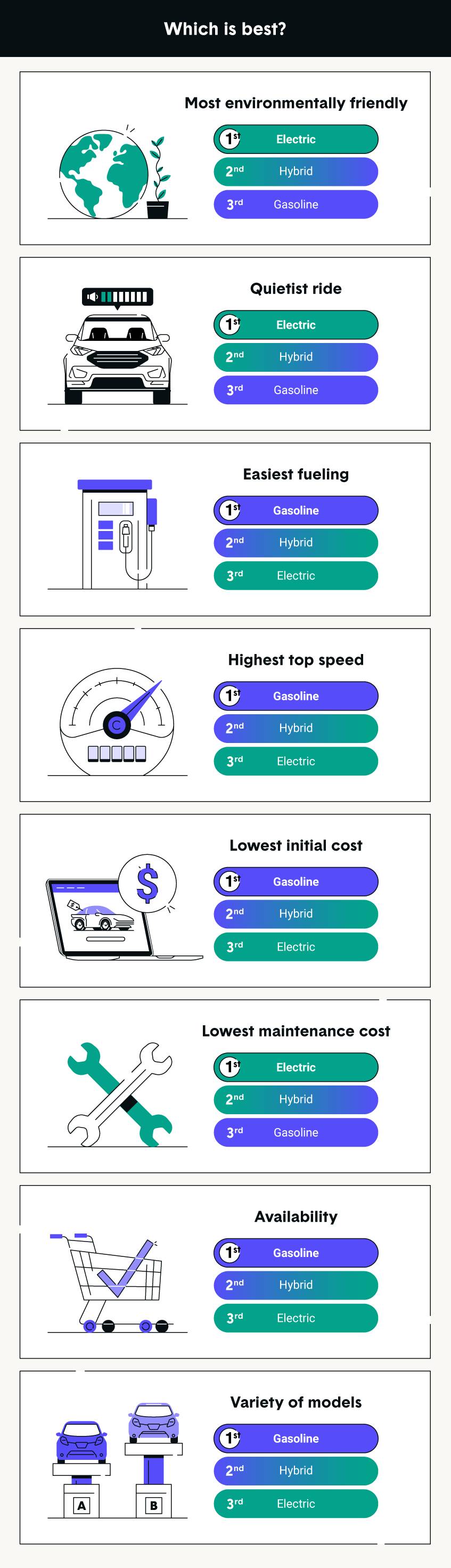
If you want a car with low running costs and less pollution, consider electric cars.
If you need a car with longer range and quick refueling, gas cars may be better.
Think about your daily driving needs, budget, and local charging options.
Electric cars may save money over time, but cost more upfront.
Gas cars have a long history and many refueling stations.
Final Thoughts
Electric cars are growing in popularity. They help reduce pollution and save fuel.
Gas cars remain popular due to price and convenience.
Technology and infrastructure will improve electric cars in future.
Choose the car that fits your life and helps the planet in the way you want.
Frequently Asked Questions
What Is The Biggest Problem With Electric Cars?
The biggest problem with electric cars is limited charging infrastructure and range anxiety. Batteries degrade, are costly to replace, and EVs have higher upfront costs. Charging speed lags behind gas refueling, and resale value may drop due to rapid tech changes.
What Is Better, An Electric Car Or A Gas Car?
Electric cars offer lower running costs and zero emissions but face range anxiety and charging limits. Gas cars have longer range, faster refueling, and lower upfront costs but higher emissions and fuel expenses. Choose based on budget, driving habits, and environmental priorities.
What Is The 80 20 Rule For Electric Cars?
The 80/20 rule for electric cars means 80% of daily trips are short, fitting EV range. Only 20% need longer travel, easing range anxiety and charging concerns. This highlights EVs’ suitability for most drivers and supports cost-effective home charging solutions.
What Happens To Electric Cars After 8 Years?
After 8 years, electric car batteries typically lose capacity, reducing range. Owners may replace batteries or recycle vehicles. Maintenance costs remain lower than gas cars. Battery technology improvements extend lifespan, but resale value can drop. Proper care and charging habits help maximize battery life and overall performance.