Many people want to know if electric cars cost less per mile than gas cars. This article will explain the costs clearly. It will help you understand which car saves more money.
Why Cost Per Mile Matters
Cost per mile means how much money you spend to drive one mile. It includes fuel or electricity and some maintenance. When you know this, you can choose a car that costs less to drive every day.
Electric Cars: How Much Does It Cost to Drive One Mile?
Electric cars use electricity to run. You charge their batteries at home or at public stations. The cost to drive depends on many things:
- Electricity price: This changes by where you live and the time of day.
- Car efficiency: How many miles your car can travel per kilowatt-hour (kWh).
- Charging method: Charging at home is cheaper than public stations.
Electricity Price
Electricity costs are different in every state and city. For example, in Austin, Texas, electricity may cost about 12 cents per kWh on average. But prices can be lower at night or on weekends. This is called off-peak pricing.
Car Efficiency
Electric cars usually travel 3 to 4 miles for each kWh of electricity. That means if electricity costs 12 cents per kWh, the cost per mile is:
12 cents ÷ 3.5 miles = about 3.4 cents per mile
This is an average number. Some electric cars may be better or worse.
Charging At Home Vs Public Stations
- Home charging: Cheapest option. You only pay your electricity bill.
- Public charging: Usually costs more. Some stations add fees for parking or use.
Charging at home is the best way to save money with an electric car.
Gas Cars: How Much Does It Cost to Drive One Mile?
Gas cars use gasoline to run. The cost to drive depends on:
- Gas prices: These change a lot, sometimes every week.
- Car fuel efficiency: How many miles your car can travel per gallon.
- Gas taxes: Different in each state and add to the price.
Gas Prices
Gas prices can be high or low. For example, in Texas, gas might cost about $3.50 per gallon now. But this can go up or down fast.
Car Fuel Efficiency
Fuel efficiency shows how many miles you get for one gallon of gas. For example, if your car gets 25 miles per gallon, the cost per mile is:
$3.50 ÷ 25 miles = 14 cents per mile
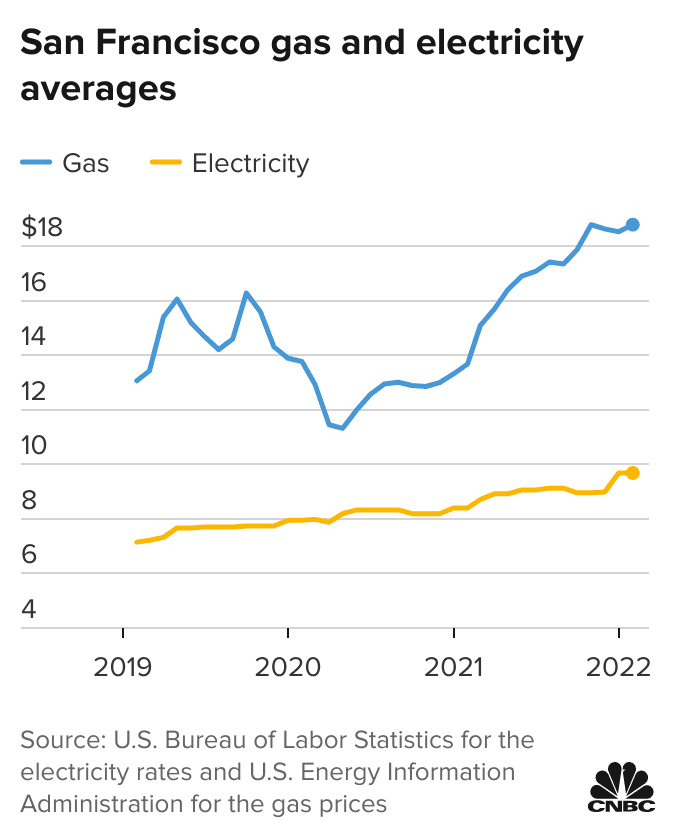
This is much more than the electric car cost per mile.
Credit: www.cnbc.com
Comparing Electric Cars and Gas Cars
Let’s see a simple table to compare costs per mile for both cars:
| Type of Car | Fuel Cost | Fuel Efficiency | Cost Per Mile |
|---|---|---|---|
| Electric Car | 12 cents per kWh | 3.5 miles per kWh | 3.4 cents |
| Gas Car | $3.50 per gallon | 25 miles per gallon | 14 cents |
Other Costs to Think About
Fuel is not the only cost for cars. Maintenance and repairs are important too. Electric cars have fewer moving parts. This means:
- No oil changes
- Less brake wear
- Fewer repairs overall
Gas cars need more regular maintenance. Oil changes, filter changes, and engine repairs cost money.
What About Battery Charging Practices?
Charging your electric car in the best way can save money. Here are some tips:
- Charge at home during off-peak hours (nighttime).
- Use a home charger instead of public stations.
- Plan trips to avoid fast chargers unless needed.
Following these tips helps keep your cost per mile low.
Credit: evlife.co
Key Factors That Change Costs
Several things change how much it costs to drive an electric or gas car:
- Electricity rates: These vary by state and time of day.
- Gas prices: Can change quickly due to many reasons.
- Car efficiency: Newer cars usually use less fuel or electricity.
- Charging fees: Some public stations add extra costs.
Why Electric Cars Can Save Money Over Time
Electric cars may cost more to buy at first. But they cost less to drive and maintain. This can save money in the long run. Here are some reasons:
- Lower fuel cost per mile
- Fewer repairs and oil changes
- Stable electricity prices compared to gas prices
Many studies and reports show electric cars save money after a few years. This is true even without government incentives.
Summary: Which Is Cheaper Per Mile?
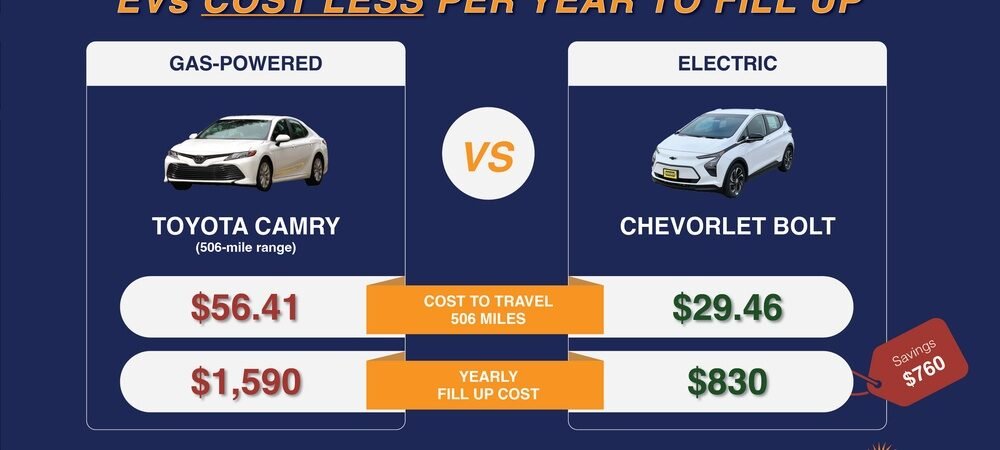
Electric cars usually cost about 3 to 5 cents per mile to drive. Gas cars often cost 10 to 15 cents per mile. This means electric cars cost less than half per mile.
Maintenance and repair costs are also lower for electric cars. So, electric cars save money on fuel and upkeep.
If you want to save money driving, electric cars are a good choice. Charging at home and driving efficiently will lower your cost even more.
Final Thoughts
Choosing between electric and gas cars depends on many things. Cost per mile is important, but so is car price and your driving habits. If you drive a lot, an electric car saves more money.
Electric cars are easier to maintain and cheaper to fuel. Gas prices change a lot, but electricity prices stay more stable.
Think about your needs and costs before choosing a car. This helps you make a smart decision.
Frequently Asked Questions
Is It Cheaper Per Mile To Drive An Electric Car?
Electric cars cost less per mile due to lower electricity prices and reduced maintenance. Home charging is cheapest, public stations can add fees. Energy efficiency and stable electricity rates make EVs cheaper than gas vehicles over time.
What Is The 80 20 Rule For Electric Cars?
The 80/20 rule for electric cars means 80% of charging happens at home, 20% at public stations. This reduces costs and optimizes convenience.
How Much Does It Cost To Charge An Electric Car For 300 Miles?
Charging an electric car for 300 miles typically costs $12 to $18 at home. Public chargers may cost more due to fees. Costs vary by electricity rates, car efficiency, and charging location. On average, EV charging remains cheaper than fueling gas cars for the same distance.
Is It Cheaper To Drive An Electric Vehicle Or A Gas Vehicle?
Electric vehicles cost less per mile than gas cars due to cheaper electricity, higher efficiency, and lower maintenance expenses. Gas prices vary more, increasing fuel costs. Over time, driving an electric vehicle saves money despite higher upfront costs. Charging at home reduces expenses compared to public stations.