Electric Car Battery Weight: Unveiling Impact on Performance & Safety
Wendy
Wendy is an EV expert who specializes in real-world electric car usage, charging solutions, and ownership costs. Her goal is to help everyday drivers understand electric vehicles with clear, honest, and experience-based insights.
Electric cars are becoming more popular worldwide. Many people wonder about the weight of their batteries. Battery weight affects how the car drives and how safe it is. It also impacts the car’s range and parking needs. This article explains electric car battery weight in simple words.
Why Does Battery Weight Matter?
The battery is the heart of an electric car. It stores energy to power the car. But batteries are heavy. This weight changes how the car behaves on the road. It can also affect the cost of the car. So, understanding battery weight is important for buyers and drivers.
How Heavy Are Electric Car Batteries?
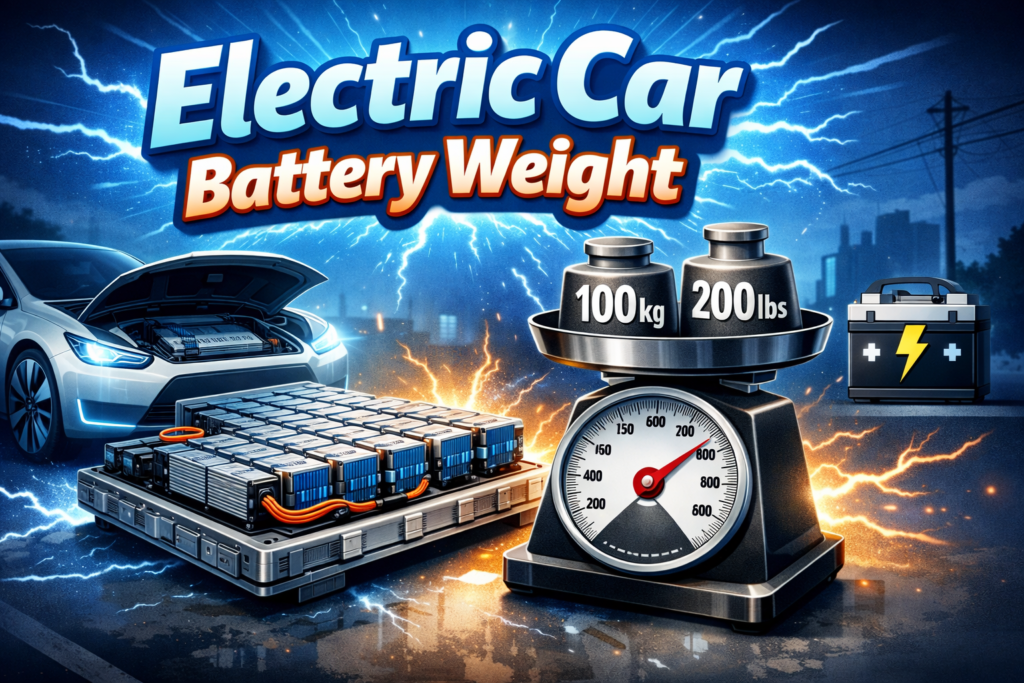
The weight of an electric car battery depends on its size and power. Most electric car batteries weigh between 300 and 1,200 pounds. That is about 136 to 545 kilograms.
For example, a Tesla Model S battery weighs about 1,200 pounds. Smaller electric cars have lighter batteries, around 300 to 500 pounds. Bigger cars, like electric SUVs or trucks, have heavier batteries.
Battery Weight Compared to Gas Engines
Electric car batteries are much heavier than gasoline engines. A gas engine and its fuel tank usually weigh less than an electric car’s battery.
Type of Car
Battery or Engine Weight (pounds)
Electric Car Battery
300 – 1,200
Gasoline Engine + Fuel Tank
400 – 600
Even though the electric battery is heavier, electric motors are lighter than gas engines. This helps balance the total weight of the car.
Why Are Electric Batteries So Heavy?
Batteries store electricity in chemicals. To make a battery that lasts long, many cells are needed. These cells add weight.
Energy Density: Current batteries have limited energy per kilogram.
Range Needs: Longer driving distances need bigger, heavier batteries.
Battery Size: More cells mean more weight.
Scientists work hard to make batteries lighter. But right now, weight is a challenge.
Impact of Battery Weight on Car Performance
Battery weight affects many parts of the car’s performance:
Acceleration: Extra weight can slow acceleration, but electric motors offer strong torque.
Handling: Heavier cars may handle differently than lighter ones.
Braking: More weight means longer stopping distances.
Range: A heavier battery stores more energy, so the car can drive farther.
Are Electric Cars Too Heavy for Parking Garages?
Some people worry that electric cars are too heavy for parking garages. This is mostly not true for new garages.
Modern garages are built to hold cars heavier than most electric vehicles. Even big electric trucks, like the Hummer EV, fit within these limits.
However, older garages may not be strong enough. The extra weight can cause more wear over time. Building managers should check the garage’s strength if many heavy electric cars park there.
Examples of Battery Weights in Popular Electric Cars
Car Model
Battery Weight (pounds)
Approximate Range (miles)
Tesla Model S
1,200
370
Nissan Leaf
600
150
Chevy Bolt
960
259
Tesla Model 3
1,000
353
How Battery Weight Affects Road Wear and Safety
Heavier electric cars can cause more road wear. Roads may need more repairs over time.
However, the weight difference between electric cars and gas cars is small compared to big trucks.
Safety is another concern. Heavier cars can cause more damage in crashes. Smaller cars, cyclists, and pedestrians may be at more risk.
On the other hand, electric cars often have good safety features. Their batteries are placed low, giving better balance and less chance of rollover.
What Does the Future Hold for Battery Weight?
Battery technology is improving fast. New materials and designs aim to reduce weight.
Solid-state batteries, for example, may weigh less and store more energy.
As batteries get lighter, electric cars will be easier to drive and safer. They may also become cheaper.
Summary
Electric car batteries are heavier than gas engines. They weigh from 300 to over 1,000 pounds.
This weight affects the car’s driving, safety, and parking. New garages can handle the weight, but older garages may need checks.
Battery weight will likely decrease as technology improves. This will help electric cars become more popular and practical.
If you want an electric car, knowing about battery weight helps you choose the right one. It also helps you understand how the car will feel to drive.
Frequently Asked Questions
How Heavy Is A Tesla Battery?
A Tesla battery typically weighs between 1,000 to 1,200 pounds (450 to 540 kg). This varies by model and capacity. Tesla’s large battery packs contribute significantly to the vehicle’s total weight but enable long driving ranges and high performance.
Are Ev Batteries Heavier Than Engines?
Yes, EV batteries are generally heavier than combustion engines. Batteries add significant weight, but electric motors are smaller and lighter than engines. This makes EVs heavier overall compared to gasoline cars with similar size and range.
Are Evs Too Heavy For Parking Garages?
No, modern EVs fit well within parking garage weight limits. Older garages may need assessments for very heavy EVs. Most garages safely support EVs like Tesla and Hummer models.
Is An Electric Car Heavier Than A Gas Car?
Electric cars are generally heavier than gas cars due to large, heavy battery packs. Their electric motors weigh less than combustion engines, but batteries add significant weight. Overall, EVs often weigh more, impacting road wear and safety considerations.