Electric cars are becoming more popular worldwide. Many people want to know how long their car battery will last. Battery life is very important because it affects how far you can drive and the cost of keeping the car. This article will explain electric car battery longevity in simple words. You will learn what affects battery life and how to care for your battery.
What Is an Electric Car Battery?
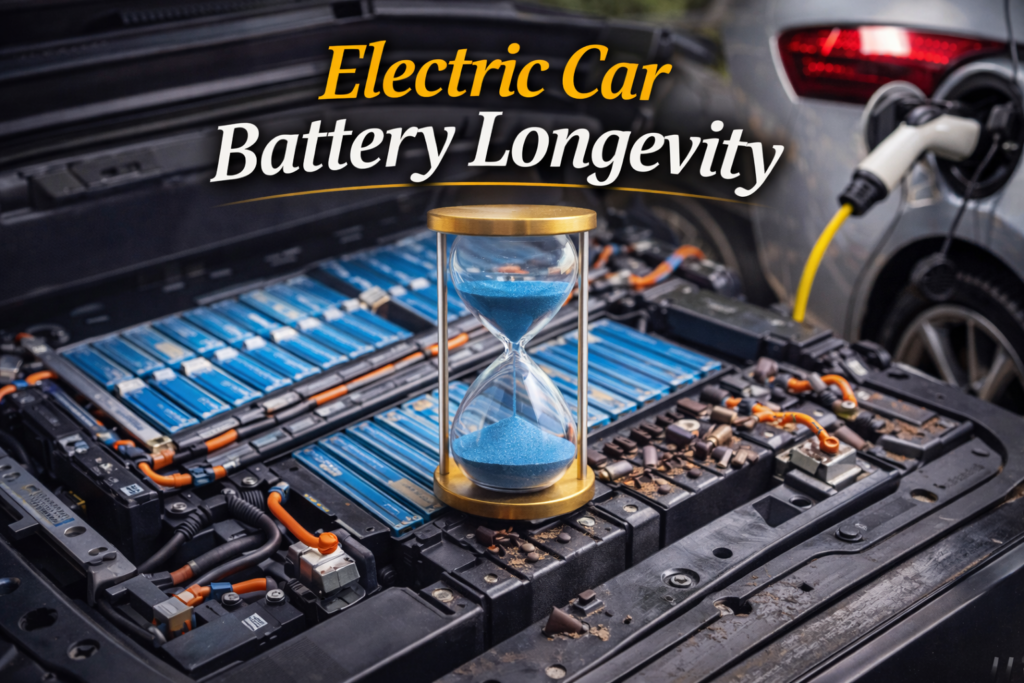
Electric cars use batteries to store power. This power runs the motor that moves the car. Most electric cars use lithium-ion batteries. These batteries are strong and light. But they do not last forever. Over time, the battery holds less power. This means the car cannot drive as far on a full charge.
Read How Much Do Batteries for Electric Cars Cost
How Long Do Electric Car Batteries Usually Last?
On average, electric car batteries last about 8 to 15 years. This depends on many things like how the car is driven and where it is used. Some batteries stay good for over 200,000 miles (320,000 km). Others might lose power faster.
Most electric car makers give a warranty of 8 years or 100,000 miles (160,000 km) for batteries. This shows they expect the battery to last at least that long without major problems.
What Affects Battery Longevity?
Several factors can change how long a battery lasts. Below are the most important ones:
- Temperature: Very hot or cold weather can damage batteries faster.
- Charging habits: Frequent fast charging may wear the battery more quickly.
- Driving style: Hard acceleration and heavy loads can reduce battery life.
- Battery size: Larger batteries often last longer because they have more capacity.
- Battery management system: Modern cars use systems to protect the battery and extend its life.
How Does Temperature Affect Battery Life?
Temperature is one of the biggest factors. Batteries do best in mild climates. When it is too hot, the battery can overheat. This causes damage over time. When it is very cold, the battery may lose some power temporarily. Extreme cold or heat also makes charging slower and less efficient.
In places like Austin, Texas, summers can be very hot. This can put stress on the battery. Using air conditioning inside the car also uses battery power and lowers the driving range.
Charging and Its Effects on Battery Longevity
Charging habits make a big difference. Fast charging is convenient but uses higher power. This can heat the battery and reduce its life if done often.
Charging to 100% all the time is not good either. It stresses the battery. Many experts suggest charging to about 80-90% for daily use. Charging to full only when needed helps the battery last longer.
Also, letting the battery run completely empty is bad. It can damage the battery cells. Try to recharge before the battery gets too low.
Driving Style and Battery Longevity
How you drive affects the battery. Fast acceleration and high speeds use more power. This creates heat and can wear the battery faster. Gentle driving helps the battery last longer.
Car weight and load also matter. Carrying heavy loads makes the motor work harder and drains the battery. Try to keep your car lighter if possible.
Battery Size and Type
Bigger batteries usually last longer. They hold more energy and can handle wear better. Small batteries may lose capacity faster.
Lithium-ion batteries are most common now. They have good energy density and last longer than older types. But all batteries lose capacity over time.
Battery Management System (BMS)
Most electric cars have a Battery Management System. This system watches over the battery health. It controls charging and temperature. It stops the battery from overcharging or overheating. BMS helps extend battery life a lot.
Signs Your Battery May Be Failing
It is good to know when the battery is getting weak. Some signs are:
- Shorter driving range than before
- Longer charging times
- Warning lights on the dashboard
- Car power feels weaker
If you notice these, check with a mechanic or dealer.
How Much Does It Cost to Replace an Electric Car Battery?
Battery replacement can be expensive. The cost depends on the battery size and the car model.
| Type of EV | Battery Replacement Cost (approx.) |
|---|---|
| Compact EVs | $5,000 to $7,000 |
| Mainstream Sedans/SUVs | $7,000 to $10,000 |
| Luxury/Long-Range EVs | $10,000 to $15,000+ |
| Electric Pickups | $12,000 to $20,000+ |
Dealer replacements are usually more expensive. Some third-party or refurbished batteries cost less.
Are Battery Replacements Common?
Most electric car batteries last the life of the vehicle. Battery replacements are rare. Battery technology is improving. This helps batteries last longer and cost less to replace.
Challenges of Owning an Electric Car
Electric cars have some challenges. These include:
- Higher upfront cost compared to gas cars
- Longer charging times than refueling with gas
- Limited public charging stations, especially in rural areas
- Range anxiety due to battery limits, especially in bad weather
- Battery lifespan and replacement cost concerns
- Environmental impact of battery production and disposal
- Heavier weight, causing more tire wear
- Fewer model choices than gasoline cars
How to Make Your Battery Last Longer
Here are some easy tips to help your battery last longer:
- Charge your battery mostly to 80-90%, not 100%
- Avoid letting the battery go fully empty
- Use slow charging instead of fast charging when possible
- Park your car in shaded or cool places
- Drive gently and avoid fast acceleration
- Keep your car light and avoid heavy loads
- Turn off heating or air conditioning when not needed
- Keep up with car maintenance and battery checks
Environmental Impact of Electric Car Batteries
Electric car batteries use minerals like lithium, cobalt, and nickel. Mining these minerals affects the environment. Battery production uses energy and water. Disposal and recycling of old batteries can be difficult. However, using electric cars still helps reduce air pollution and greenhouse gases compared to gasoline cars.
Future of Electric Car Batteries
Battery technology is improving every year. New types of batteries may last longer and charge faster. Costs are going down as production grows. Recycling methods are getting better too. These changes will help more people use electric cars with less worry about batteries.
Summary
Electric car battery longevity depends on many factors. Temperature, charging habits, driving style, and battery size all matter. Most batteries last 8 to 15 years or more. Proper care can make the battery last longer. Replacing a battery is costly but not often needed. Electric cars have some challenges but also many benefits. Understanding battery life helps you make smart choices.
Taking good care of your electric car battery helps you save money and drive farther.
Frequently Asked Questions
How Long Will An Electric Car Battery Last?
Electric car batteries typically last 8 to 15 years or 100,000 to 200,000 miles. Proper care extends their lifespan. Battery technology improvements also enhance durability and reduce replacement frequency.
How Much Does It Cost To Replace A Battery In An Electric Car?
Replacing an electric car battery typically costs between $5,000 and $15,000. Costs vary by vehicle make, model, and battery size. Dealer replacements usually charge more than third-party or refurbished options. Most EV batteries last the car’s lifetime, making replacements rare and prices gradually decreasing.
What Is The Downfall Of Owning An Electric Car?
Owning an electric car involves higher upfront costs and longer charging times compared to gas vehicles. Limited charging stations cause range anxiety. Battery lifespan and replacement can be expensive. Extreme weather reduces range, and fewer model options exist. Environmental concerns include battery production and disposal impacts.
What Is The Failure Rate Of Ev Batteries?
The failure rate of EV batteries is low, typically under 5% within 8-10 years. Most last the vehicle’s lifetime. Battery technology improvements further reduce failure risks.