
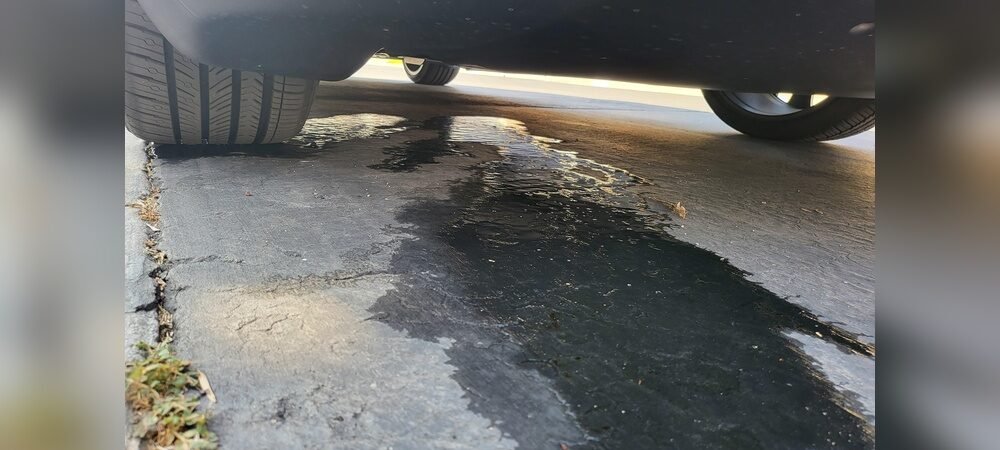
Car air conditioning (AC) is very important in hot weather. When your car AC leaks, it may stop working well. A leaking AC means the cool air stops coming. This makes driving uncomfortable. But how do you know if your car has an AC leak? What causes it? And how can it be fixed? This article explains all you need to know about car AC leaks.
What Is a Car AC Leak?
A car AC leak happens when refrigerant gas escapes from the AC system. Refrigerant is the gas that cools the air inside your car. When it leaks out, the AC cannot cool the air anymore. The car still drives fine, but the air inside gets warm. Over time, the leak makes the AC less useful.
Most AC leaks happen because parts like seals, hoses, or gaskets get old or broken. Sometimes, the leak is small and slow. But if you ignore it, the AC will stop working completely. Fixing a leak early saves money and keeps your car comfortable.
Common Causes of a Car AC Leak
Many parts in the AC system can cause a leak. Below is a list of common causes and signs to watch for:
| Cause | Signs and Symptoms |
|---|---|
| Refrigerant Leak (Freon) | Less cool air, warm air, faint oily smell. Often caused by old or cracked O-rings and seals. |
| Compressor Leak | Oily spots on or near the compressor. You may hear rattling noises. |
| Condenser Damage | Debris or stones can puncture or corrode the condenser at the front of the car. |
| Evaporator Leak | Musty smell inside the car or foggy windshield. The evaporator is hidden behind the dashboard. |
| Water Leak | Puddle of water on the passenger floor. Usually normal condensation but can mean a clogged drain line. |
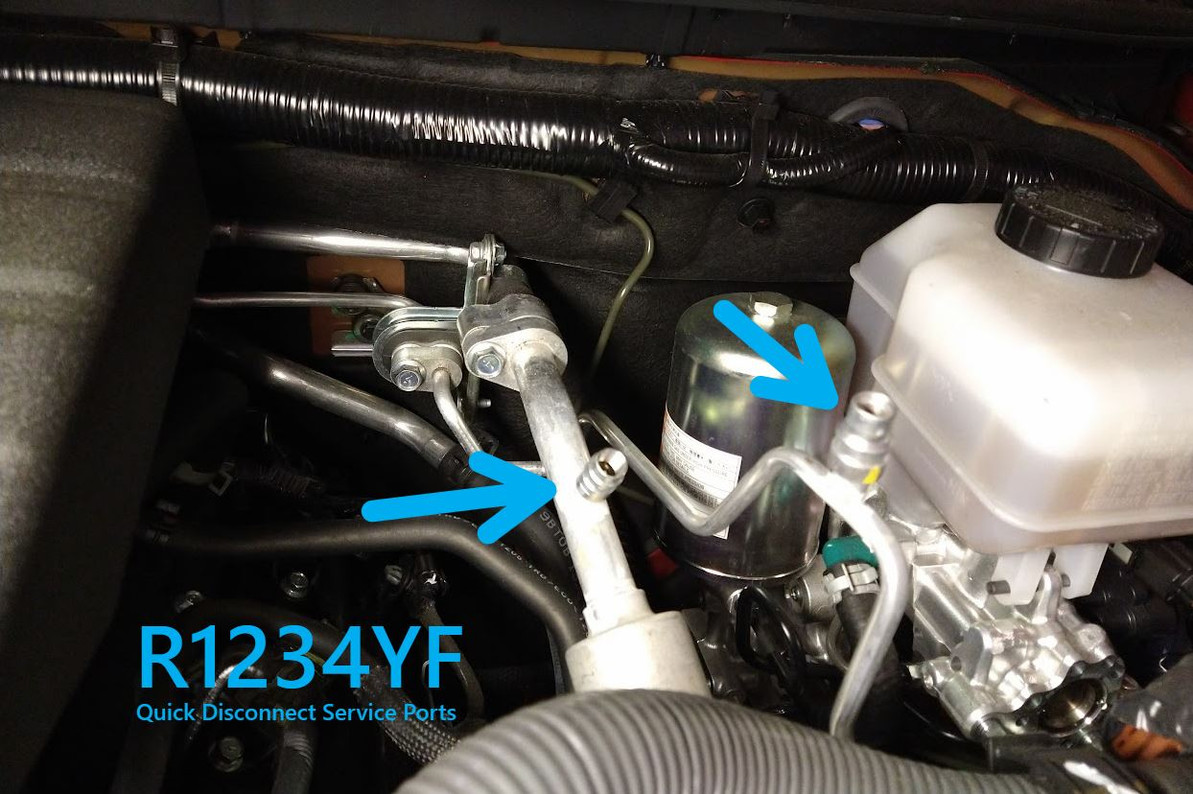
Credit: www.wiseautotools.com
How to Find a Car AC Leak
Finding a leak early helps keep your AC working well. Here are some simple ways to check for leaks:
- UV Dye Test: A special dye is added to the AC system. When checked with ultraviolet light, the leak glows bright. This shows exactly where the leak is.
- Visual Inspection: Look carefully for shiny or oily spots on hoses, seals, and the condenser. These spots often show where refrigerant is leaking.
- Pressure Gauge: Using an AC manifold gauge set, a mechanic can see if the system loses pressure. Low pressure means a leak is present.
What Happens If You Ignore a Car AC Leak?
Ignoring an AC leak can cause many problems:
- The AC will stop cooling your car. Driving becomes uncomfortable in hot weather.
- The system may get damaged because it runs without enough refrigerant.
- Parts like the compressor can fail, leading to expensive repairs.
- Leaks can cause oily dirt to build up, damaging AC parts.
It is better to fix leaks as soon as possible. This keeps your car’s AC working well and saves money in the long run.

Credit: www.youtube.com
How to Fix a Car AC Leak
Fixing a leak depends on the cause and location. Here are common repair options:
- Seal Replacement: Many leaks happen because seals or O-rings become dry or cracked. Replacing these parts is often a quick and cheap fix.
- Compressor or Condenser Replacement: If these parts are damaged, they must be replaced. This can cost more money but is necessary for a working AC.
- Evaporator Repair: The evaporator is hard to reach. Fixing leaks here takes more time and labor.
- Using AC Stop Leak Products: Some products can seal small leaks temporarily. These may help avoid big repairs but are not always a permanent solution.
Many repairs need special tools and knowledge. It is usually best to have a professional mechanic check and fix your AC system.
Tips to Prevent Car AC Leaks
Preventing leaks keeps your AC working longer. Try these tips:
- Use your AC regularly, even in winter. This keeps seals moist and prevents cracks.
- Have your AC system checked during regular car service.
- Keep the condenser clean. Remove leaves, dirt, and debris from the front of your car.
- Fix small problems quickly before they get worse.
Cost to Fix a Car AC Leak
The price to fix an AC leak varies. It depends on the leak’s size, location, and parts needed. Here is a simple cost guide:
| Repair Type | Estimated Cost (USD) |
|---|---|
| Seal or O-ring Replacement | $50 to $150 |
| Compressor Replacement | $400 to $1,000 |
| Condenser Replacement | $200 to $600 |
| Evaporator Repair | $500 to $1,200 |
Costs may vary by location and car model. Always ask for a detailed quote before repair.
Summary
A car AC leak makes your car’s air conditioning stop cooling. Leaks come from seals, hoses, compressor, condenser, or evaporator. Signs include warm air, oily smells, and foggy windows. Diagnosing leaks needs special tools like UV dye or pressure gauges. Repair can mean replacing seals, parts, or cleaning the system. Fixing leaks early saves money and keeps you cool.
If you think your car AC leaks, get help from a professional mechanic. They can find the leak and fix it safely. This keeps your car comfortable and ready for hot days.
Frequently Asked Questions
How Expensive Is It To Fix An Ac Leak In A Car?
Fixing a car AC leak typically costs between $150 and $500, depending on leak location and parts. Minor seal repairs are cheaper; evaporator leaks cost more. Professional diagnosis ensures accurate repair and prevents further damage.
What Happens If My Car Ac Has A Leak?
A car AC leak causes refrigerant loss, reducing cooling efficiency. The AC stops cooling but the car runs fine. Ignoring leaks can damage the system and increase repair costs. Detect leaks using UV dye or pressure tests. Repair requires replacing seals or parts to restore proper function.
How Do I Stop My Car Ac From Leaking?
Stop your car AC from leaking by inspecting and replacing worn O-rings, seals, or hoses. Use an AC stop leak product for minor leaks. Regularly check for oily residues and repair damaged components promptly. Consult a professional for accurate diagnosis and effective repairs.
What Is The Most Common Leak In The Car Ac System?
The most common leak in a car AC system occurs at worn or cracked O-rings and seals. These cause refrigerant loss, reducing cooling efficiency.