Electric cars are becoming more popular every day. People like them because they help the environment. But many ask, “Are electric car charging stations free?” Let’s explore this question in simple words.
What Is an Electric Car Charging Station?
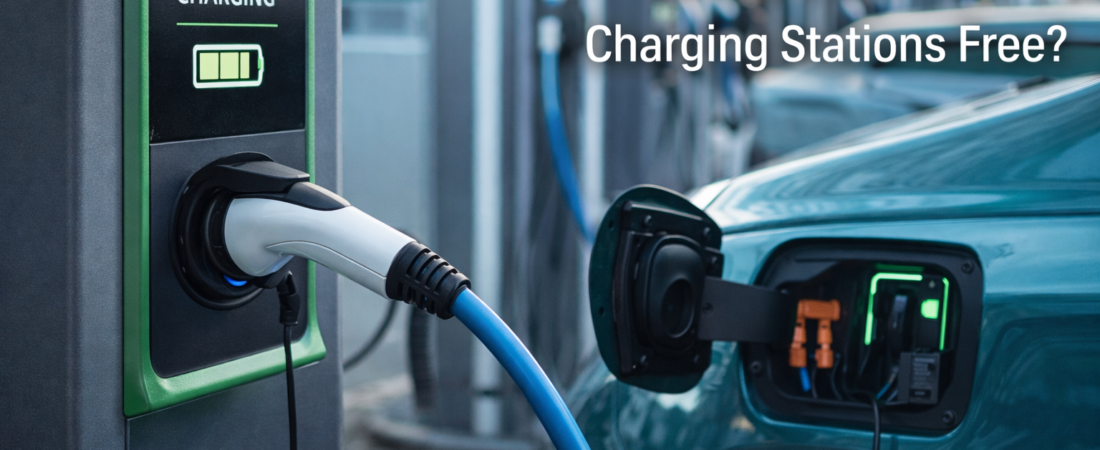
An electric car charging station is a place where you can charge your electric vehicle (EV). It works like a gas station but for electricity. You plug your car into the charger, and the battery fills up.
Charging stations are found in many places. You can see them at malls, parking lots, restaurants, and even some homes.
Are All Charging Stations Free?
The answer is: Not always. Some stations are free, but most of them are not. It depends on many things.
- Who owns the charging station?
- Where is the station located?
- What type of charger is it?
Let’s look at these points one by one.
Level 1 EV Charger: Top Portable Options for Efficient Home Charging
1. Who Owns The Charging Station?
Some businesses offer free charging to their customers. For example, if you go to a restaurant or a store with a charging station, they might let you charge for free. This is to attract customers.
On the other hand, many charging stations are owned by companies that charge money. They want to earn from the electricity and the service.
2. Location Of The Charging Station
Charging stations in public places like city parking lots or malls can be free or paid. It depends on the city rules and business owners.
For example, in Austin, Texas, some charging stations in municipal parking lots are free. But many others require payment.
3. Type Of Charger
There are different types of chargers. Some are slow, called Level 1 or Level 2 chargers. Others are very fast, called DC fast chargers.
Fast chargers usually cost more because they use more power quickly. Slow chargers may be free in some places.
How Much Does It Cost to Charge an Electric Car?
If a charging station is not free, you will pay money. How much? It depends on where you are and the charger type.
Here is a simple table showing average prices in some U.S. states:
| State | Price per kWh (kilowatt-hour) |
|---|---|
| California | $0.42 |
| Colorado | $0.34 |
| Connecticut | $0.38 |
| District of Columbia | $0.37 |
Prices may change. They are usually higher than home electricity prices.
How Do You Pay for Charging?
Most paid charging stations ask you to pay with a credit card or a smartphone app. Some require a membership with a charging network.
For example, Tesla owners often use Tesla’s charging network. Other EV owners may use networks like ChargePoint or EVgo.
If you want to pay, you will need to create an account or pay each time with a card.
Are There Any Free Charging Stations?
Yes, some free charging stations exist. But they are not very common.
Free chargers are usually at:
- Shopping centers that want to attract shoppers
- Hotels or restaurants for their guests
- Municipal parking lots in some cities
You can find free charging stations using special maps and apps like PlugShare. These tools help EV drivers find free or cheap chargers nearby.
What About Charging at Home?
Most electric car owners charge at home. They use a home charger connected to their electric supply.
Charging at home is usually the cheapest way. You pay your normal electricity bill, which is lower than public charging prices.
Charging at home is not free. But it costs less and is more convenient.
Why Are Some Stations Free?
Some businesses offer free charging to bring more customers. This is like free parking or free Wi-Fi.
Also, some cities want to support electric cars. They provide free charging stations to help people switch from gasoline cars.
Why Do Some Stations Charge Money?
Charging stations cost money to install and maintain. They also pay for the electricity used.
Charging companies need to earn money to keep their service running.
Fast chargers use more electricity and need more expensive equipment. So they charge more.
Is It Better to Use Free Stations?
Free stations can save money. But they may not always be easy to find.
Also, free chargers are often slow. It can take many hours to fully charge your car.
If you are in a hurry, paid fast chargers are better. They fill your battery quickly.
Tips for Using Charging Stations
- Plan your trip and know where chargers are.
- Use apps like PlugShare or ChargeHub to find stations.
- Check if the station is free or paid before you go.
- Bring your payment method ready, like a credit card or app.
- Be patient at free chargers; others may wait too.
Summary
Are electric car charging stations free? Sometimes yes, but mostly no.
Free stations exist but are not everywhere. Paid stations are common and cost money.
Charging at home is usually cheaper but not free. Fast chargers cost more than slow ones.
To save money, find free chargers. But for fast charging, be ready to pay.
Electric cars are new to many people. Knowing about charging helps you use them better.
Remember, charging stations are not always free. But they help you drive clean and save fuel.
Frequently Asked Questions
How Much Does It Cost To Charge An Electric Vehicle At A Public Charging Station?
Charging an electric vehicle at public stations typically costs between $0. 30 and $0. 42 per kWh. Some locations offer free charging for patrons or members. Prices vary by state and provider. Expect higher fees at fast chargers compared to slower ones.
Always check local rates before charging.
Can I Charge An Electric Car For Free?
Some public charging stations offer free EV charging, usually at businesses or municipal lots. Most stations charge fees. Free spots are limited and may require patronage.
How Much Does It Cost To Charge An Electric Car At Target?
Charging an electric car at Target usually costs between $0. 20 and $0. 40 per kWh. Some locations offer free charging for shoppers. Check the specific Target store’s charging station for exact pricing and availability before use.
How Much Does It Cost To Charge An Electric Car At A Public Charging Station?
Charging an electric car at public stations costs between $0. 34 and $0. 42 per kWh on average. Some locations offer free charging for patrons. Prices vary by state, provider, and membership status. Always check local rates before charging to avoid unexpected fees.