Electric vehicles (EVs) are becoming popular around the world. Many people want to charge their EVs at home. But before you install a charger, there are important things you must know.
This guide will help you understand what you need before setting up a home EV charger. We will explain in easy words and simple steps. Let’s start!
Why Install a Home EV Charger?
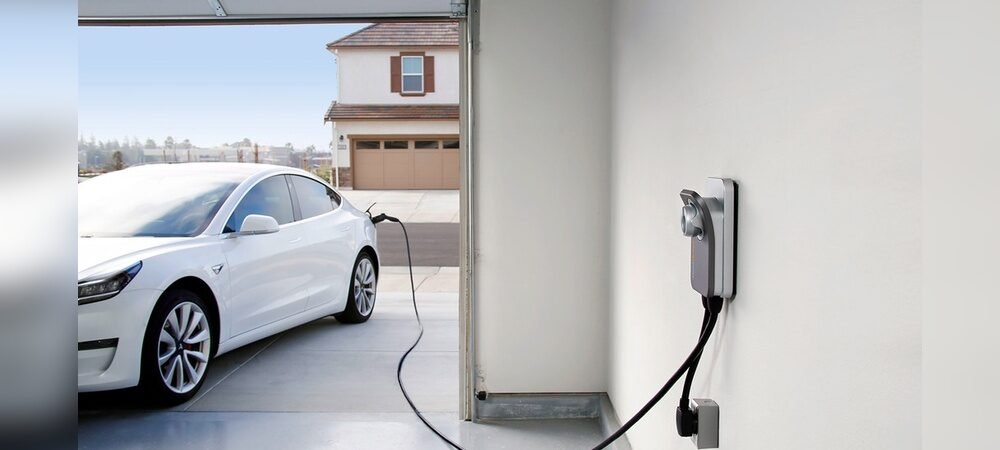
Charging your EV at home is very easy and saves time. You do not need to visit public charging stations often. At night, you can charge your car while you sleep.
Having a charger at home is useful. But, you must prepare your home for it. There are rules and equipment needed for a safe and good setup.
Key Things You Need Before Installing an EV Charger
Before installing, check these important points:
- Permission to Install
- Electricity Supply and Panel Capacity
- Location for Charger
- Professional Installation
- Permits and Inspections
- Optional: Load Management
1. Permission To Install
First, you must own the property or get permission from the landlord.
If you rent, ask your landlord if you can add a charger. Some places need approval.
2. Electricity Supply And Panel Capacity
Your home uses electricity from an electrical panel. The panel controls power in your home.
EV chargers need a lot of power. Your panel must have enough capacity to add a charger.
If your panel is old or too small, you may need to upgrade it. This upgrade costs money and takes time.
| Panel Size (Amps) | Can Support EV Charger? | Notes |
|---|---|---|
| 100 Amps | Maybe | May need upgrade for fast chargers |
| 150 Amps | Usually Yes | Supports most Level 2 chargers |
| 200 Amps | Yes | Best for future needs and fast charging |
3. Location For Charger
Think where you will park your car at home. The charger must be near the parking spot.
Common places are:
- Garage
- Driveway
- Carport
The charger should be close to your electrical panel if possible. This reduces installation cost.
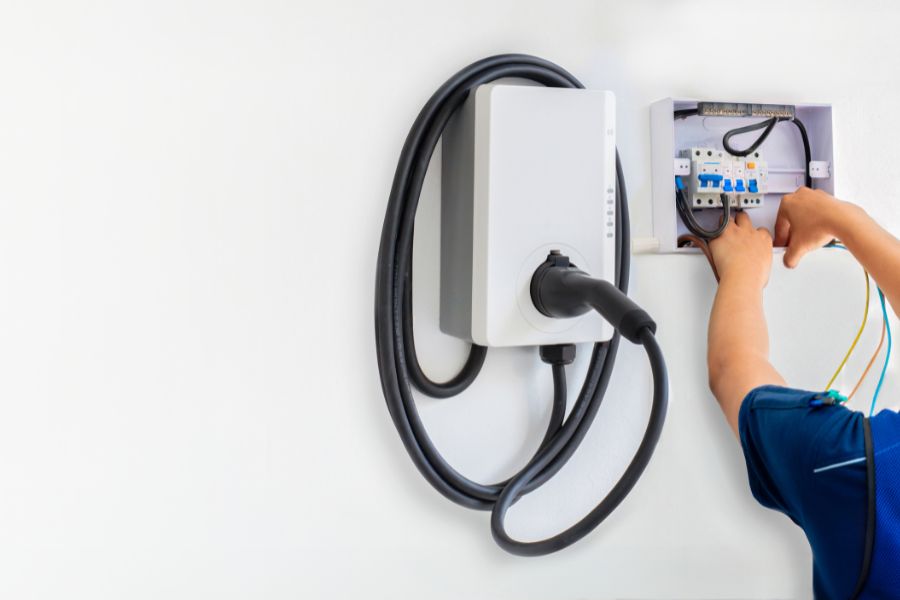
4. Professional Installation
Installing an EV charger is not easy. It needs special knowledge about electricity.
You should hire a licensed electrician. They know safety rules and local laws.
DIY (Do It Yourself) is risky and may cause damage or injury.
5. Permits And Inspections
Most cities require permits before installing an EV charger.
Permits help check if installation is safe and meets rules.
After installation, an inspector will check the work. They ensure everything is correct.
6. Optional: Load Management
If your home uses a lot of electricity, load management can help.
This system controls how much power goes to the charger. It stops overloading your panel.
Load management may avoid costly panel upgrades.
Credit: yoderelectric.com
Steps to Install a Home EV Charger
Here is a simple step-by-step process for installation:
- Electrician Assessment: The electrician checks your electrical panel and home power.
- Decide Location: Choose where the charger will be installed.
- Permit Application: The electrician or you apply for permits from local authorities.
- Installation: The electrician installs the charger and wiring.
- Inspection: A city or county inspector checks the installation.
- Start Charging: After approval, you can use the charger.
Costs to Consider for Home EV Charging Setup
Costs vary depending on your home and charger type. Here are common costs:
- Charger Device: $400 to $1,200
- Installation: $300 to $1,000 or more
- Panel Upgrade: $1,000 to $3,000 if needed
- Permits: $50 to $200
Check if your local utility company offers rebates or discounts. Some give money back for EV charger installation.
Credit: evdances.com
Safety Tips for Home EV Charging
- Always use a licensed electrician for installation.
- Do not use extension cords with your charger.
- Keep the charger dry and clean.
- Follow all local electrical codes and rules.
- Inspect the charger and cables regularly for damage.
Summary: What You Need Before Installing a Home EV Charger
| Requirement | Why It Is Important |
|---|---|
| Property Ownership or Permission | To legally install the charger |
| Electric Panel Capacity | To handle the power needed for charging |
| Location Near Parking Spot | For easy and safe charging |
| Licensed Electrician | For safe and code-compliant installation |
| Permits and Inspections | To meet local laws and safety standards |
| Optional Load Management | To avoid electrical overload |
Final Thoughts
Installing a home EV charger is a smart choice for electric car owners. It gives convenience and saves time.
But, proper planning is key. Know what you need before starting. Hire a good electrician. Follow all local rules.
This helps keep your home safe and your car charged well. Now you are ready to set up your home EV charging station!
Frequently Asked Questions
What Do I Need To Install An Ev Charger At Home?
To install a home EV charger, you need a licensed electrician, electrical permits, a suitable location, and possibly an upgraded electrical panel. Ensure your parking spot is accessible and check for local inspection requirements. Contact your utility for assessments and potential rebates.
What Do I Need To Have An Ev Charger Installed?
You need a licensed electrician, electrical permits, an adequate electrical panel, and a suitable charging location. Ensure property ownership or landlord permission. An inspection and possible panel upgrade may be required. Contact your utility for rebates and professional installation services.
What Is The 80 20 Rule For Ev Charging?
The 80/20 rule for EV charging means charging your EV mostly at home (80%) and using public chargers only 20% of the time. This maximizes convenience, saves costs, and ensures your vehicle stays charged efficiently.
What To Know Before Installing An Ev Charger?
Before installing an EV charger, ensure your electrical panel supports the load. Hire a licensed electrician for permits, safety, and inspections. Choose a convenient location near your parking spot. Check for local regulations and potential rebates. Proper planning avoids costly upgrades and ensures safe, efficient charging.