Electric vehicles (EVs) are becoming popular every day. Many people want to know how to charge them at home. There are two main ways to charge an EV: Level 1 and Level 2. But which one is better for daily use? This article will explain the differences simply. It will help you choose the right one for your daily needs.
What is Level 1 EV Charging?
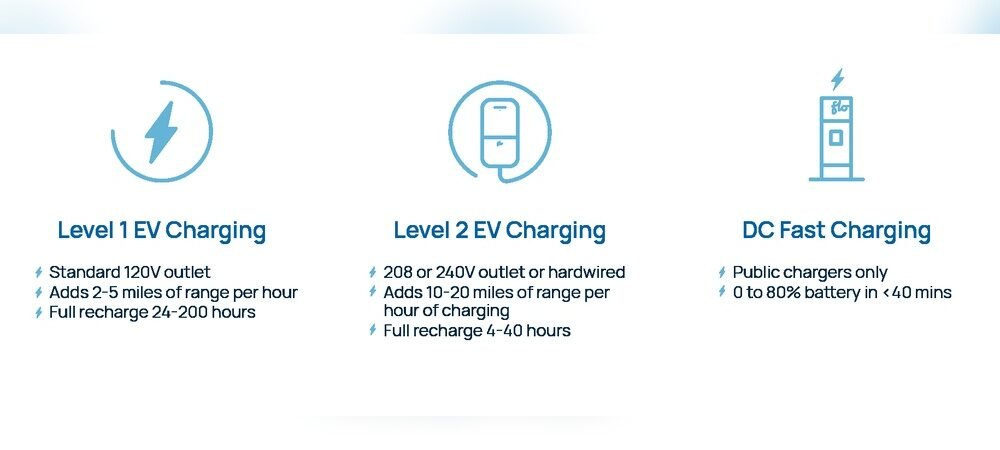
Level 1 charging uses a normal home outlet. It is the slowest way to charge an EV. You plug the charging cable into a regular 120-volt socket. This is the same kind of outlet you use for lamps or small appliances.
Level 1 chargers come with the car. You don’t need to buy extra equipment. Just plug in and wait.
How Fast Is Level 1 Charging?
Level 1 chargers add about 3 to 5 miles of driving range per hour. This means if your car battery is empty, it might take 12 to 24 hours to fill it up. It depends on your car’s battery size.
Where Is Level 1 Charging Best?
- If you drive only short distances every day.
- If you don’t mind charging your car overnight.
- If you do not want to install special equipment.
- If you have a low daily mileage.
What is Level 2 EV Charging?
Level 2 charging uses a special 240-volt outlet. It is like the outlet used by electric dryers or ovens. You need to install a charging station at home. This station plugs into the 240-volt outlet.
Level 2 chargers are faster. They can add 10 to 60 miles of range per hour. This means you can fully charge your car in 3 to 8 hours.
What Equipment Do You Need For Level 2?
- A 240-volt outlet in your garage or parking spot.
- A Level 2 charging station (also called EVSE).
- Professional installation by an electrician.
Where Is Level 2 Charging Best?
- If you drive longer distances daily.
- If you want to charge your car quickly.
- If you want more flexibility in charging times.
- If you can afford installation costs.
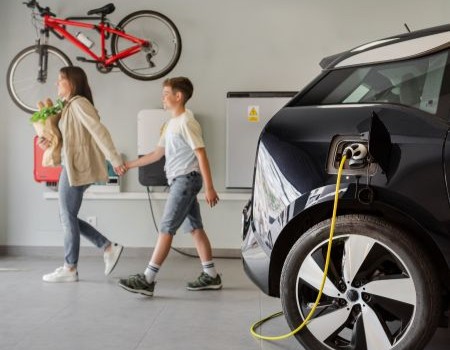
Credit: www.professionalelectricalct.com
Comparing Level 1 and Level 2 Charging
Let’s look at the main differences in a table.
| Feature | Level 1 Charging | Level 2 Charging |
|---|---|---|
| Voltage | 120 volts (standard outlet) | 240 volts (special outlet) |
| Charging Speed | 3 to 5 miles/hour | 10 to 60 miles/hour |
| Charging Time (Full Charge) | 12 to 24 hours | 3 to 8 hours |
| Equipment Needed | No extra equipment | Level 2 charger + 240V outlet |
| Installation Cost | None | Cost for charger and electrician |
| Best For | Light daily use, overnight charging | Heavy daily use, fast charging need |
Which EV Charging Level is Better for Daily Use?
Choosing between Level 1 and Level 2 depends on your daily needs. Let’s explore some common situations.
If You Drive Short Distances
Do you drive only 20 miles or less a day? Level 1 charging can be enough. Plug your car in at night. By morning, your battery will have enough charge.
This saves you money. You don’t need to pay for special installation.
If You Drive Long Distances Every Day
If your daily drive is 40 miles or more, Level 1 may not be enough. You might not have time to charge fully overnight.
Level 2 charging is better here. It fills your battery faster. You can charge your car in a few hours.
If You Need Flexibility
Sometimes, you may forget to plug in your car at night. Or you may need to charge during the day.
Level 2 chargers give you more flexibility. You can add many miles in just one hour.
Cost Considerations
Level 1 charging has no extra cost. Just use your home outlet.
Level 2 chargers cost money. The charger can cost a few hundred dollars. Installation by an electrician may also cost extra.
But if you use your car a lot, the faster charging can save time.

Credit: svcleanenergy.org
Impact on Battery and Charging Habits
Some people worry about battery damage. Does fast charging hurt the battery?
Level 2 charging is faster but not like fast DC chargers. It does not cause much battery wear.
Using Level 2 daily is safe for most EV batteries. Level 1 charging is even gentler but slower.
Good charging habits matter. Avoid letting your battery get too empty or too full all the time.
Summary: Level 1 Vs Level 2 for Daily EV Charging
Here is a quick summary to help you decide:
- Level 1: Best for light drivers and no extra cost.
- Level 2: Best for longer drives and faster charging.
- Level 1 can charge overnight. Level 2 charges in a few hours.
- Level 2 needs special equipment and installation.
- Both are safe for your car battery.
- Choose based on your daily driving needs and budget.
Final Thoughts
Electric cars are easy to charge at home. You only need to pick the right charger.
If you drive a little every day and have time, Level 1 is fine.
If you drive a lot or want faster charging, Level 2 is better.
Think about your daily routine. Also, consider your home setup.
Either way, charging your EV at home is simple and safe.
Choose the charger that fits your lifestyle best.
Frequently Asked Questions
What Is The Main Difference Between Level 1 And Level 2 Ev Charging?
Level 1 uses a standard 120V outlet and charges slowly. Level 2 requires a 240V outlet and charges much faster.
Which Ev Charger Is Better For Daily Use At Home?
Level 2 chargers are better for daily use because they charge your car faster. Level 1 is slower and suits occasional use.
How Long Does Level 1 Ev Charging Usually Take?
Level 1 charging can take 8 to 20 hours depending on the battery size. It is best for overnight charging.
Can Level 2 Chargers Work With All Electric Vehicles?
Most electric vehicles support Level 2 charging, but check your car’s manual to confirm compatibility. It is widely used.