Electric vehicles are becoming popular worldwide. More people in Austin, Texas, and everywhere else are choosing EVs. They are good for the environment and save money on fuel. But charging your electric car needs care and safety. New electric car owners must know the best safety tips. This guide will help you charge your EV safely at home or public stations.
Why Is EV Charging Safety Important?
Charging an electric car uses electricity. Electricity can be dangerous if not handled well. Problems can cause fire, electric shocks, or damage to your car. Following safety tips helps avoid accidents. It also keeps your car and home safe. Safe charging means longer life for your EV battery and charger.
Basic Safety Tips for EV Charging
These simple tips are easy to follow. They keep you and your car safe while charging.
- Always use the right charging cable. Use the cable that comes with your car or a certified one.
- Do not use extension cords or adapters. These can cause overheating or sparks.
- Check the charging cable before use. Look for cuts, cracks, or frays. Do not use damaged cables.
- Keep the charging area dry. Avoid charging in heavy rain or puddles to prevent electric shock.
- Follow the manufacturer’s instructions. Your car manual has important safety details.
How to Charge Your EV Safely at Home
Most EV owners charge their cars at home. Here are key points for safe home charging:
- Use a dedicated circuit for your charger. This means a separate fuse or breaker for the charging unit.
- Install a Residual Current Device (RCD). This device cuts off power if it detects a fault.
- Keep the charging station protected. Make sure it is under cover or shielded from rain and moisture.
- Place the charger outlet at a safe height. This prevents water from entering the outlet.
- Do not leave the charger plugged in when not in use. Unplug the charger to avoid accidental damage.
- Regularly inspect your home charging setup. Look for signs of wear or damage and fix issues quickly.
Safety Tips for Public EV Charging Stations
Public charging stations are common in cities like Austin. They are easy to use but need care too.
- Check the charging cable and plug. Do not use if damaged or dirty.
- Be aware of your surroundings. Watch for traffic, people, or hazards near the station.
- Follow the station’s instructions carefully. Each station may have different steps to start charging.
- Do not rush or force plugs into the socket. This can break the charger or car port.
- Stay near your car while charging. This lets you watch for problems or stop charging if needed.
- Always unplug in the correct order. Usually, unplug the charger from the car first, then from the station.
What to Do in Case of Problems
Sometimes, charging may not go as planned. Knowing what to do helps keep you safe.
- If you smell burning or see smoke, stop charging immediately. Unplug if safe to do so and call for help.
- If the charger feels hot, stop charging. Let it cool before trying again.
- Do not touch exposed wires or damaged parts. Contact a professional to fix the issue.
- If the car or charger stops working during charging, turn off the power first. Then check the problem.
- Call your car dealer or charger manufacturer for help. They can guide you safely.
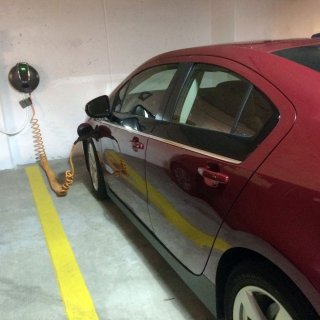
Credit: www.epa.gov
Common Myths About EV Charging Safety
Many new EV owners worry about charging safety. Let’s clear up some common myths.
| Myth | Fact |
|---|---|
| Charging an EV can cause a fire easily. | Fires are rare and mostly happen from poor installation or damaged equipment. |
| It is unsafe to charge an EV in the rain. | Most chargers are weatherproof and safe when used correctly. |
| Leaving the car plugged in overnight is dangerous. | Charging stops automatically when full, so it is safe to leave plugged in. |
| You must charge only at special EV charging stations. | You can safely charge at home with the right equipment. |
| Using any cable is okay as long as it fits. | Only use cables made for your car to avoid damage or risks. |
Tips for Extending Your EV Battery Life
Charging safely also helps your battery last longer. Here are some tips:
- Do not let the battery drain completely before charging. Charge when it reaches about 20%.
- Avoid charging to 100% every time. Charging up to 80-90% is better for battery health.
- Use slow charging at home if possible. Fast charging can heat the battery and reduce its life.
- Keep your car in a cool place when charging. Heat can harm the battery during charging.

Credit: cheyennefire.org
Final Thoughts
Electric cars are safe and fun to use. Charging them safely is easy if you follow simple rules. Always check cables and equipment. Use correct chargers. Keep charging areas dry and clean. Know how to stop charging in an emergency. Learning these safety tips helps you enjoy your new EV without worry. Drive safely and charge smart!
Frequently Asked Questions
How Do I Safely Inspect Ev Charging Cables?
Check cables for cuts, frays, or exposed wires before use. Never use damaged cables to avoid electric shock or fire risks.
Can I Use Extension Cords For Ev Charging?
Avoid using extension cords or multiplug adapters with EV chargers. They can overheat and cause electrical hazards during charging.
What Safety Devices Should My Ev Charger Have?
Install a residual current device (RCD) with your charger. It cuts power quickly if a fault or leakage occurs.
Is It Safe To Charge Evs In The Rain?
Most EV chargers are weatherproof but avoid puddles and water pooling around the station. Cover outdoor outlets to prevent water damage.