Electric vehicles (EVs) are growing in popularity around the world. Many people want to know how these cars work. A key part of every electric vehicle is its high voltage system. This system helps the car run smoothly and safely. In this article, we will explain what a high voltage system is, its parts, and why it is important.
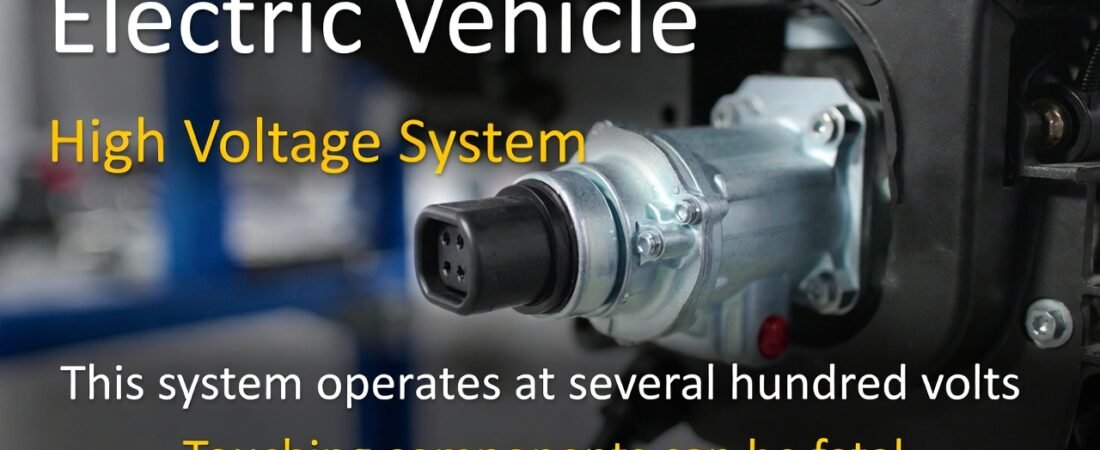
What Is an Electric Vehicle High Voltage System?
The high voltage system in an electric vehicle is the set of parts that handle large amounts of electric power. This power comes from the car’s battery. The battery stores electricity and sends it through the high voltage system to the motor. The motor then makes the car move.
Unlike regular cars that use gasoline, electric vehicles use batteries and electricity. These batteries have high voltage, often between 200 and 800 volts. This is much higher than normal car batteries, which usually have 12 volts.
High voltage means the system can send a lot of power without needing very strong current. This helps the car work better and saves energy.
Key Components of a High Voltage System
Every electric vehicle has some important parts in its high voltage system. These parts work together to make the vehicle move and charge safely.
| Component | Function |
|---|---|
| High Voltage Battery | Stores electrical energy to power the vehicle. |
| Inverter | Converts battery DC power into AC power for the motor. |
| Electric Motor | Uses AC power to move the wheels of the car. |
| Onboard Charger | Changes AC from the power grid to DC to charge the battery. |
| High Voltage Cables | Carry electricity safely; often colored orange for safety. |
| Contactors/Relays | Switches that connect or disconnect the battery from the car. |
| Interlock Circuits (HVIL) | Safety loops that stop power if something is unplugged or opened. |
| Isolation Monitoring | Checks that high voltage parts do not touch the car body to avoid shocks. |
How Does the High Voltage System Work?
The high voltage battery stores electrical energy. This energy is in direct current (DC) form. The inverter changes this DC into alternating current (AC). The electric motor needs AC to run.
When you press the accelerator, the inverter controls how much power the motor gets. This controls how fast the car moves. When the car slows down or brakes, some energy goes back to the battery. This is called regenerative braking.
During charging, the onboard charger changes the AC from the wall outlet into DC. This DC charges the battery safely and efficiently.
Safety Features in High Voltage Systems
Handling high voltage electricity can be dangerous. That is why electric vehicles have many safety features.
- High Voltage Cables: Usually orange to warn people about danger.
- Interlock Circuits (HVIL): If a connector is unplugged, power stops immediately.
- Contactors: These switches disconnect the battery when the car is off or charging.
- Isolation Monitoring: Checks if high voltage parts touch the car body. If yes, it shuts down power.
- Warning Labels: Signs on parts to alert mechanics and owners of high voltage.
These features help keep people safe. They prevent electric shocks and fires.
Why Use High Voltage in Electric Vehicles?
High voltage systems have many benefits for electric cars. Here are the main reasons:
- Better Efficiency: High voltage means less current is needed for power.
- Smaller Cables: Less current allows thinner cables, saving space and weight.
- Faster Charging: High voltage can charge batteries quicker than low voltage.
- More Power: High voltage systems can provide strong power for fast acceleration.
- Reduced Heat: Lower current means less heat in wires and parts.
Because of these benefits, most electric vehicles use high voltage systems.
How High Voltage Systems Have Evolved
In the past, electric cars used low voltage systems. These were simple but had limits. They could not deliver enough power for larger cars or fast charging.
As technology improved, manufacturers made high voltage systems. These systems can handle more energy safely. They also allow electric cars to travel longer distances and charge faster.
Today, many electric vehicles have batteries with voltages around 400 volts. Some newer models reach 800 volts or more. This higher voltage helps with faster charging and better performance.
Examples of High Voltage Systems in Popular Electric Vehicles
Some well-known electric cars use advanced high voltage systems. Here are a few examples:
- Tesla Models: Use high voltage batteries around 350 to 400 volts. Their Superchargers support fast charging.
- Porsche Taycan: Uses an 800-volt system. This allows very fast charging.
- GMC Hummer EV: Also uses an 800-volt system to deliver strong power and quick charging.
- Tesla Cybertruck: Combines high voltage with other systems for power and durability.
Important Terms to Know
Here are some key terms related to electric vehicle high voltage systems:
| Term | Meaning |
|---|---|
| DC (Direct Current) | Electricity that flows in one direction, like in batteries. |
| AC (Alternating Current) | Electricity that changes direction, used by motors. |
| Inverter | Device that changes DC to AC for the motor. |
| Contactor | Switch that connects or disconnects the battery. |
| Isolation Monitoring | Checks if high voltage parts touch the car body. |
| Regenerative Braking | Process that recovers energy when the car slows down. |
Summary
The high voltage system is a key part of every electric vehicle. It helps deliver power from the battery to the motor. It also allows the car to charge quickly and run efficiently.
Safety is very important in these systems. Many features keep people safe from electric shocks and fire. High voltage systems use special parts like orange cables and safety switches.
Thanks to high voltage systems, electric cars can be powerful, efficient, and fast to charge. This is why most modern electric vehicles use this technology.
Understanding the high voltage system helps people appreciate how electric cars work. It shows how technology can make clean, safe, and smart vehicles.
Frequently Asked Questions
What Is The High Voltage System In Electric Vehicle?
The high voltage system in electric vehicles powers the motor using a high voltage battery. It includes the inverter, electric motor, charger, and safety circuits. Orange cables indicate high voltage. This system improves efficiency by reducing current and supports faster charging and better performance.
What Cars Have 800v Charging?
Cars with 800V charging include the Porsche Taycan, Hyundai Ioniq 5, Kia EV6, Audi e-tron GT, and GMC Hummer EV. These support ultra-fast charging for quicker battery replenishment. High-voltage systems improve efficiency and reduce charging time significantly in these electric vehicles.
Are Teslas 400v Or 800v?
Tesla vehicles primarily use a 400V battery system. The upcoming Cybertruck will feature an 800V architecture for faster charging. Most current Teslas operate at 400 volts, balancing efficiency and compatibility with existing Superchargers. The 800V system aims to enhance charging speed and future-proof Tesla models.
What Vehicle Is 100% Powered By A High Voltage Battery?
A Battery Electric Vehicle (BEV) runs 100% on a high voltage battery. It uses no gasoline or fuel. Examples include Tesla Model 3 and Porsche Taycan. BEVs rely solely on electric energy stored in their high voltage battery for propulsion.