Electric cars are becoming more common today. They are quiet, clean, and easy to drive. But what happens if your electric car runs out of battery? This can be scary if you do not know what to do. In this article, we will explain what happens when your electric car battery dies. We will also share simple steps to stay safe and get help. This guide is easy to read and understand. Even if English is not your first language, you will find it helpful.
What Happens When Your Electric Car Battery Runs Out?
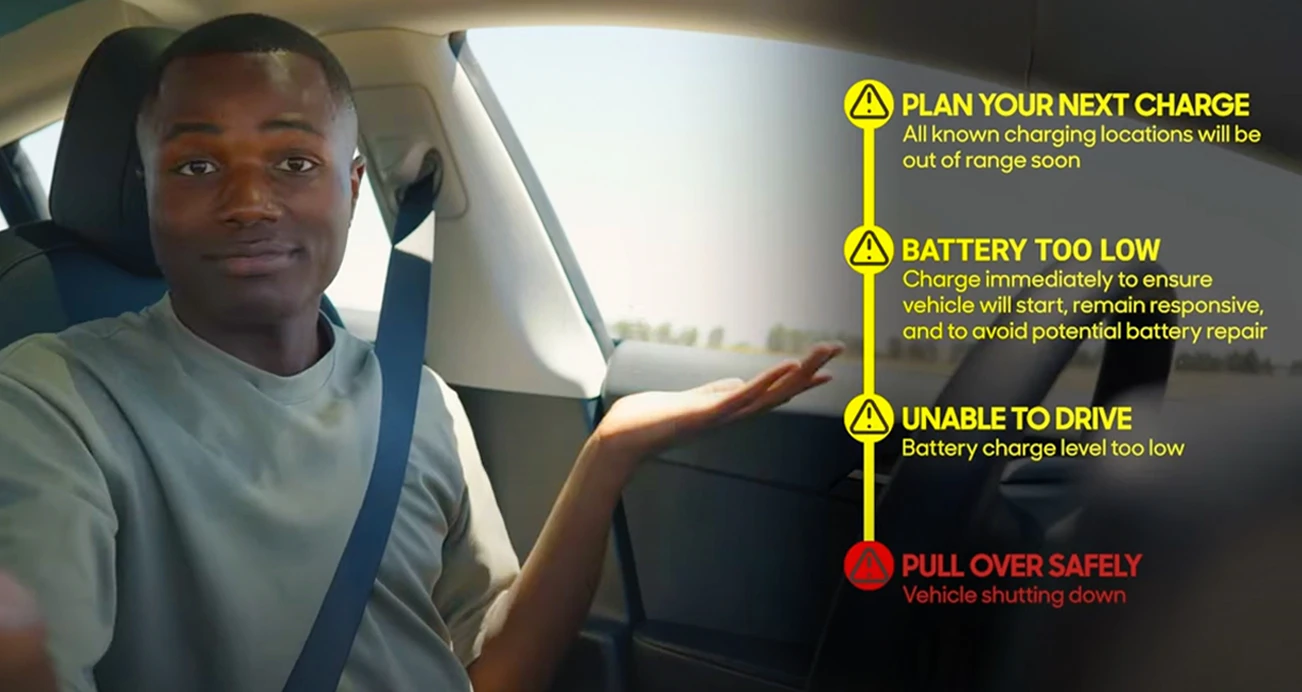
When your electric car battery gets very low, the car will warn you. You will see alerts on the screen. The car will also give you an estimate of how far you can still drive. This helps you find a safe place or a charging station.
If you keep driving with a low battery, the car will enter a special mode. This is called “tortoise mode.” In tortoise mode, your car will move very slowly. It saves power so you can reach a safe spot or charger. The car limits how much power it uses.
If the battery runs out completely, the car will slow down gently. It will not stop suddenly like a gas car that runs out of fuel. The car will come to a smooth stop and put itself in park. Some important systems like power steering and power brakes may stop working. This means steering and braking will be harder than usual.
Despite this, some features like hazard lights and windows might work for a short time. But after some minutes, the car will lose all power and will not start again until charged.

Credit: www.jdpower.com
Credit: www.carmax.com
Important Signs Your Battery is Running Low
- Warning Alerts: Your car will send many alerts on the dashboard.
- Range Estimation: The screen will show how many miles or kilometers you can still drive.
- Reduced Power: The car slows down and limits speed to save battery.
- Smooth Stop: The car stops slowly and safely when battery is empty.
- Loss of Power Assist: Steering and brakes become harder to use.
What To Do If Your Electric Car Runs Out of Battery
Running out of battery can be scary. But do not panic. Follow these simple steps to stay safe and get help:
1. Safety First
When you see your battery is very low, try to find a safe place to stop. Use your turn signals to change lanes or exit the road carefully. Pull over to the shoulder or a parking lot.
If you are on a highway, it is best to stop on the right side. Turn on your hazard lights to warn other drivers. If possible, exit the car from the passenger side. This keeps you safe from traffic.
2. Call Roadside Assistance
Once you are safe, call for help. Most electric car companies have roadside assistance. They can send a flatbed tow truck or a mobile charger to your location.
A flatbed tow truck is important. It carries your car on a flat surface. This prevents damage to the motor and electrical system. Do not try to tow your electric car with a rope or chain. This can cause serious damage.
3. Do Not Try To Restart The Car
If the battery is completely dead, your car will not start again. Trying to restart it will not work. You need to charge the battery before driving again.
4. Use A Mobile Charger If Available
Some roadside services have mobile chargers. They can give your car some power on the spot. This can help you drive to the nearest charging station.
5. Stay Calm And Wait For Help
While waiting, stay inside your car if it is safe. Keep the doors locked. If you must exit, stay away from traffic. Use your phone to keep in touch with the assistance team.
How to Avoid Running Out of Battery
It is better to avoid running out of battery. Follow these tips to keep your electric car charged and ready:
| Tip | Why It Helps |
|---|---|
| Plan Your Trips | Know where charging stations are along your route. |
| Check Battery Level Often | Keep an eye on battery percentage while driving. |
| Charge Regularly | Charge your car daily or when possible, not just when empty. |
| Use Navigation Apps | Apps show nearby charging stations and your battery range. |
| Avoid High Energy Use | Use air conditioning and heating only when needed to save power. |
What You Should Know About Electric Car Batteries
Electric car batteries are different from fuel tanks. They store electricity, not gas. When the battery is empty, the car stops. It cannot run on any other fuel.
Electric cars have safety systems to protect the battery. When battery is low, the car helps you by slowing down. It does not let you drive until it is safe to stop.
Unlike gas cars, you cannot just push start an electric car. You must charge the battery first.
Final Thoughts
Running out of battery in an electric car is not fun. But if it happens, you can stay safe by following simple steps. Always watch your battery level. Plan your trips with charging stops in mind. Use roadside assistance if you get stranded. Never try to tow your car with a rope or chain.
Electric cars are easy and safe if you use them right. Learning what to do if the battery dies helps you stay calm and ready. Remember, safety comes first. Then get help and charge your car. Soon you will be back on the road!
Frequently Asked Questions
What Happens When You Run Out Of Battery In An Electric Car?
An electric car warns you as the battery nears empty, then slows in “tortoise mode. ” It stops smoothly and engages parking brake. Power steering and brakes lose assist, making control harder. You must call roadside assistance for a flatbed tow or mobile charging to restart.
What To Do If Your Electric Vehicle Runs Out Of Power?
Pull over safely and turn on hazard lights. Call roadside assistance for a flatbed tow or mobile charger. Avoid traditional towing to prevent damage. Do not try to restart the vehicle. Stay calm and wait for professional help.
What Do You Do If Your Electric Car Runs Out Of Battery On The Road?
Pull over safely and activate hazard lights. Electric cars enter low-power mode, slowing gradually to a stop. Call roadside assistance for flatbed towing or mobile charging. Avoid traditional towing to prevent damage. Do not attempt to restart the vehicle without charge.
Do Electric Cars Have An Emergency Charge?
Electric cars do not have an emergency charge feature. They warn drivers and enter low-power mode before stopping. Roadside assistance with mobile charging or flatbed towing is necessary if the battery fully depletes. Always monitor your range to avoid running out of battery.