Electric cars are becoming more popular every day. Many people choose them to help the environment and save money on fuel. But what happens if an electric car runs out of charge? This is an important question. It helps you stay safe and prepared while driving.
How Electric Cars Work
Electric cars run on batteries. These batteries store electricity. The car uses this electricity to move. You charge the battery by plugging the car into a power source. The battery can last for many miles before it needs more power.
When you drive, the battery slowly loses its charge. If you drive too far without charging, the battery may run out. This means the car has no power to move.
What Happens When the Battery Runs Out?
If your electric car battery runs out of charge, the car will stop running. It cannot move because it has no power.
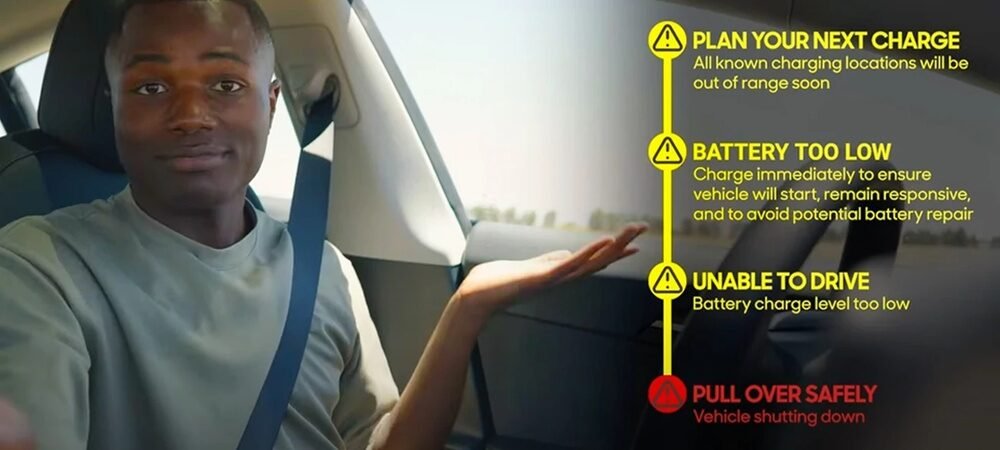
- First, the car will warn you. Most electric cars show a low battery alert on the dashboard.
- When the battery gets very low, the car may enter a slow mode. This is sometimes called “turtle mode.”
- In turtle mode, the car moves very slowly to save the last power.
- If the battery reaches zero, the car will stop completely.
- The parking brake will activate automatically for safety.
Credit: www.carmax.com
Is It Dangerous to Run Out of Charge?
Running out of battery can be risky if it happens in the wrong place. For example, if you stop in the middle of a busy road, it can be dangerous for you and other drivers.
That is why it is important to watch your battery level. Always plan ahead and find charging stations before your battery runs out.
What Should You Do If Your Car Runs Out of Charge?
If your electric car runs out of charge, here are the steps to follow:
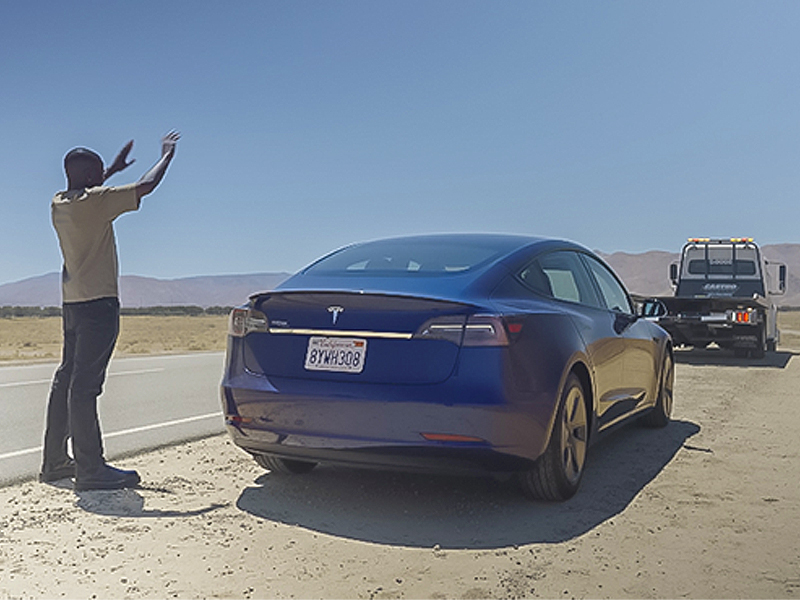
- Move to a safe spot. If possible, steer your car to the side of the road or a safe area.
- Turn on hazard lights. This will alert other drivers that your car is stopped.
- Call for help. You can call roadside assistance or a friend who can help.
- Use a portable charger if you have one. Some people carry small chargers that can give the battery some power.
- Arrange a tow. If you cannot charge the car on the spot, you may need to tow it to a charging station.

Credit: www.toyotaoforlando.com
Portable Chargers for Electric Cars
Portable chargers are small devices that you can carry in your car. They help in emergencies when the battery is low.
| Type | Description | Charging Speed | Use |
|---|---|---|---|
| Standard Outlet Charger | Plugs into a regular home power socket. | Slow | Useful when no other option is available. |
| High-Amp Outlet Charger | Plugs into stronger power outlets, like for dryers or RVs. | Faster | Better for topping up battery quickly. |
These chargers usually have safety features. They protect from too much current or voltage. They are easy to carry and store in your car trunk.
How to Avoid Running Out of Battery
Prevention is better than dealing with an empty battery. Here are some tips to avoid running out of charge:
- Plan your trips. Know where charging stations are on your route.
- Charge regularly. Don’t wait until the battery is very low.
- Use apps. Many apps show nearby charging points and their availability.
- Carry a portable charger. It can help in emergencies.
- Drive wisely. Avoid fast acceleration and heavy braking to save battery.
Towing Your Electric Car
If your car stops because of no battery, you might need a tow. Not all towing companies know how to handle electric cars. Here are some points to remember:
- Call a company that knows how to tow electric cars safely.
- Some services offer mobile charging where they bring a charger to you.
- Towing costs can be higher for electric cars.
What About Safety Systems When Battery Dies?
Electric cars have safety systems that work even if the battery is empty. For example:
- Lights may turn off after some time to save power.
- Parking brake activates automatically.
- Some cars keep emergency signals working for a short time.
But after the battery is fully empty, most systems shut down. This is why you must act quickly if your battery is low.
Summary
Running out of charge in an electric car means the car stops moving. It warns you first with alerts. Then, it slows down before stopping fully.
You should always watch your battery level and plan charging stops. If your car runs out of power, move to a safe place. Use hazard lights and call for help.
Portable chargers can help in emergencies but are slow to charge. Sometimes you may need to tow your car to a charging station.
Knowing what to do can keep you safe and reduce stress. Electric cars are good but need careful planning to avoid running out of charge.
Frequently Asked Questions
What Do You Do If Your Electric Car Runs Out Of Charge?
Stop safely away from traffic. Call roadside assistance or a friend with a portable charger. Arrange a tow to the nearest charging station if needed. Some services offer mobile charging, but availability is limited and costly. Keep emergency charging gear in your trunk for peace of mind.
Is There A Portable Charger For Electric Cars?
Yes, portable chargers for electric cars exist. They plug into standard or high-amp outlets, offering convenient, slow to fast charging on the go. These compact chargers provide emergency power to reach public stations or charge overnight during travel. Many include safety features and come with carrying cases.
What Happens If My Electric Car Battery Goes To Zero?
An electric car with a zero battery will gradually lose power and stop. Call roadside assistance or use a portable charger to recharge. Some services offer mobile charging, but towing to the nearest station is common. Safety systems remain active during power loss.
What Happens If Your Electric Car Runs Out Of Power On The Highway?
An electric car running out of power on the highway slows down and stops safely. Call roadside assistance or arrange a tow to the nearest charger. Portable chargers exist but are rare on highways. Always plan charging stops to avoid this situation.