Electric cars are becoming popular in Massachusetts. Many people want to buy them. But electric cars can be expensive. The state and federal governments help buyers with tax credits. These credits lower the cost of buying an electric car.
What Is an Electric Car Tax Credit?
A tax credit is money you save on your taxes. It is not the same as a tax deduction. A tax credit reduces the amount of tax you owe. For example, if you owe $1,000 in taxes and have a $1,000 tax credit, you pay no taxes that year.
Electric car tax credits help make electric cars more affordable. The government gives money back when you buy a qualified electric car. This helps people buy cleaner cars that pollute less.
Types of Electric Car Credits in Massachusetts
In Massachusetts, there are two main types of help:
- Federal Tax Credit: This is a credit from the U.S. government.
- Massachusetts State Rebate: This is money from the state to help buyers.
Federal Electric Vehicle Tax Credit
The federal credit offers up to $7,500 to buyers of new electric vehicles. The credit amount depends on the car’s battery size. To get this credit, the car must be new and meet certain rules. For example, the car must be assembled in North America.
Also, your income matters. Your Modified Adjusted Gross Income (MAGI) must be below a limit. You can use your income from the year you buy the car or the year before, whichever is lower.
The credit applies only to cars bought for personal use in the U.S. It does not apply to cars bought for commercial use or resale.
Massachusetts Mor-ev Rebate
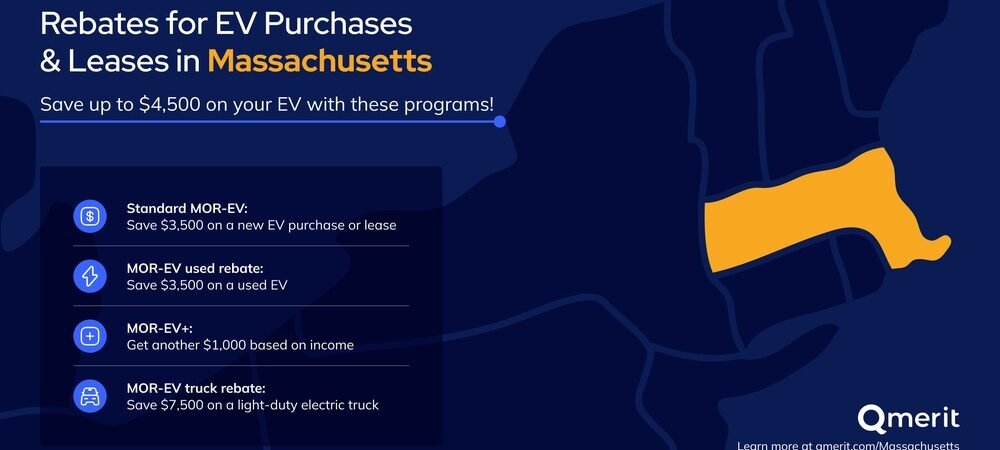
Massachusetts offers the MOR-EV rebate. It gives money back when you buy or lease an electric vehicle. The rebate amount depends on the car type:
- Up to $2,500 for a new electric car
- Up to $1,500 for a used electric car
- Up to $1,500 for an electric motorcycle
This rebate is for residents who buy or lease cars in Massachusetts. It also has income limits. People with higher incomes may not qualify.

Credit: www.countryhyundai.com
How to Check If Your Car Qualifies
Not all electric cars qualify for these credits and rebates. You need to check if your car is eligible.
Use the FuelEconomy.gov website. It lists cars that qualify for the federal tax credit. You can see details about each car’s eligibility there.
For the Massachusetts rebate, visit the official MOR-EV website. They provide a list of eligible vehicles and rebate details.
Income Requirements for Electric Car Credits
Income limits are part of the rules. The government wants to help people who need it most.
| Household Size | Maximum Income (MAGI) |
|---|---|
| 1 person | $150,000 |
| 2 persons | $204,000 |
| 3 persons | $228,750 |
| 4 persons | $253,500 |
If your income is higher than these numbers, you may not get the tax credit or rebate.

Credit: qmerit.com
How to Claim the Tax Credit
Here are the steps to claim the federal tax credit:
- Check your car’s eligibility on FuelEconomy.gov.
- Buy a new qualifying electric car.
- When you file your federal tax return, fill out IRS Form 8936.
- Include the credit amount on your tax return.
You can also ask your dealer for help. Some dealers offer a discount at the point of sale. They use the tax credit and pass savings to you right away.
Leasing Electric Cars and Tax Credits
If you lease an electric car, the dealer usually claims the federal credit. They may pass some savings to you through lower lease payments.
Leasing can be easier for buyers who do not want to wait to claim credits on their tax returns.
Important Things to Remember
- The federal tax credit applies only to new cars, not used ones.
- The Massachusetts rebate offers help for both new and used cars.
- Final assembly of the car must be in North America for federal credit.
- You must use the car mostly in the U.S.
- Always check income limits before buying.
- Keep all documents and receipts for tax filing.
Benefits of Buying an Electric Car with Tax Credit
Electric cars are good for the environment. They produce no tailpipe pollution. This means cleaner air for everyone.
Tax credits and rebates make electric cars more affordable. You pay less money upfront. This helps many people switch to electric vehicles.
Also, electric cars cost less to run. They use electricity, which is cheaper than gasoline. They need less maintenance too.
Summary
Electric car tax credits in Massachusetts help lower the cost of electric vehicles. The federal government offers a credit up to $7,500 for new cars. Massachusetts also gives rebates for new and used electric vehicles.
You must meet income rules and car requirements. Check car eligibility on FuelEconomy.gov. Visit MOR-EV.org for state rebate details.
Talk to your dealer about credits and rebates. They can help you claim money back or get discounts.
Buying an electric car can save money and help the environment. Tax credits make this choice easier for many people in Massachusetts.
Frequently Asked Questions
Does Massachusetts Offer A Tax Credit For Electric Vehicles?
Massachusetts offers the MOR-EV rebate for electric vehicles, providing up to $2,500 for eligible buyers. Income and vehicle requirements apply. Dealers often apply the rebate at purchase for instant savings. Check current guidelines on MassCEC or MOR-EV websites before buying.
Who Is Eligible For The $7500 Ev Tax Credit?
The $7,500 EV tax credit applies to buyers with qualifying income limits. Vehicles must be assembled in North America. The car must be new and for personal use. Check eligibility on the IRS or FuelEconomy. gov websites before purchase. Dealers can apply the credit at sale.
What Is The $3,500 Ev Rebate In Massachusetts?
The $3,500 EV rebate in Massachusetts is a state incentive for purchasing eligible electric vehicles. It reduces upfront costs. Income limits and vehicle requirements apply. Buyers claim it through dealerships or online programs. This rebate supports clean energy and lowers electric car ownership expenses statewide.
What Is The Income Limit For The Massachusetts Ev Rebate?
The Massachusetts EV rebate income limit is $150,000 for single filers and $300,000 for joint filers. Applicants must meet these Modified Adjusted Gross Income (MAGI) requirements to qualify for the rebate. Use the lower MAGI from the purchase year or prior year to apply.