What is the Difference between an Electric Vehicle And a Hybrid: Ultimate Guide
Wendy
Wendy is an EV expert who specializes in real-world electric car usage, charging solutions, and ownership costs. Her goal is to help everyday drivers understand electric vehicles with clear, honest, and experience-based insights.
Cars today come in many types. Two popular types are electric vehicles and hybrids. But what is the difference between them? This article will explain these two types of cars in simple words.
What is an Electric Vehicle?
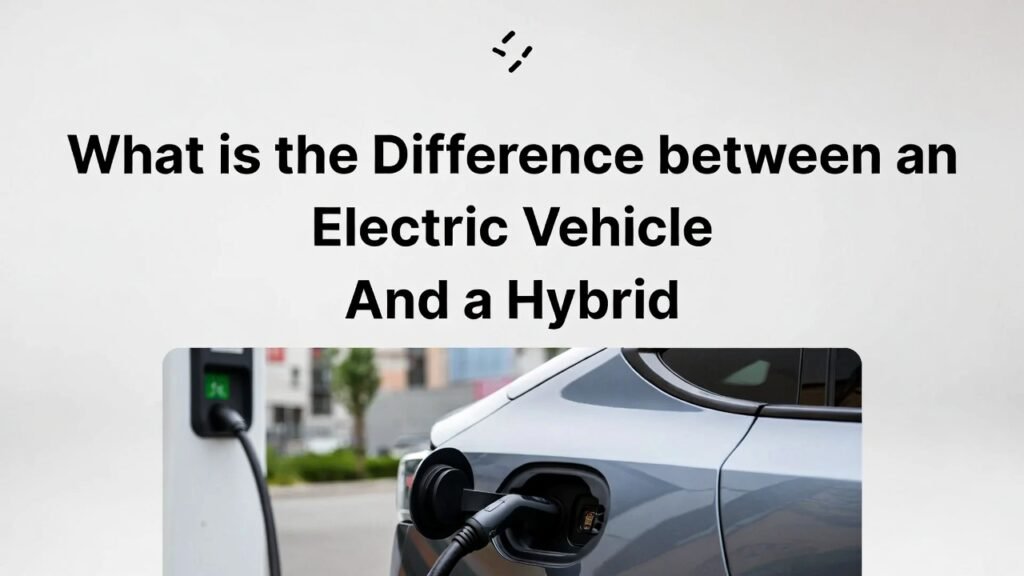
An electric vehicle, or EV, runs only on electricity. It has a big battery inside. This battery powers an electric motor that moves the car. You plug the car into a charger to fill its battery. No gas is used in an electric vehicle.
Electric vehicles are quiet. They do not produce smoke from the tailpipe. This means they do not pollute the air while driving. You can drive an electric vehicle around town or on the highway, but the distance depends on the battery size.
What is a Hybrid Vehicle?
A hybrid car uses two types of power. One is a gasoline engine. The other is an electric motor with a small battery. The battery in a hybrid is smaller than in a full electric vehicle.
The hybrid car can run on gas, electricity, or both. It uses electricity to help save fuel and reduce pollution. The battery charges while you drive, using energy from the engine or brakes. You do not need to plug it in.
Key Differences Between Electric Vehicles and Hybrids
Feature
Electric Vehicle (EV)
Hybrid Vehicle
Power Source
Electric motor powered by large battery
Gasoline engine + electric motor with small battery
Fuel Needed
No gasoline, only electricity
Uses gasoline and electricity
Charging
Plug in to recharge battery
Battery charges itself while driving
Pollution
No pollution from the car
Less pollution than normal gas car
Driving Range
Depends on battery size; usually less than gas cars
Long range due to gasoline engine
Cost
Usually more expensive upfront
Usually less expensive than EVs
How Do Electric Vehicles Work?
Electric vehicles use a large battery pack. This battery stores electricity. When you press the accelerator, the battery sends power to the motor. The motor spins and moves the wheels. There is no engine that burns fuel.
You charge the battery by plugging the car into an electric socket. Charging takes time. Some chargers are fast and fill the battery quickly. Others take many hours to fully charge.
How Do Hybrid Vehicles Work?
Hybrid cars have a gasoline engine and an electric motor. The electric motor helps the engine during driving. It can also move the car alone at low speeds. The small battery stores energy from braking or the engine.
The car decides when to use the electric motor or gasoline engine. It uses electricity in stop-and-go traffic. The gasoline engine works better at high speeds. This helps save fuel and reduce pollution.
Types of Hybrid Vehicles
There are different types of hybrids:
Standard Hybrid: Uses gas engine and electric motor together. Battery charges itself.
Plug-in Hybrid: Has bigger battery. You can plug it in to charge. Can drive longer on electricity alone.
Which Car is Better for You?
This depends on your needs and budget. Here are some points to think about:
Cost: Electric cars usually cost more to buy.
Fuel Savings: EVs have no gas costs. Hybrids still use some gas.
Driving Range: Hybrids can go longer without stopping.
Charging: EVs need charging stations. Hybrids do not.
Environmental Impact: EVs produce no tailpipe pollution.
What Happens if the Battery Dies?
In electric vehicles, if the battery runs out, the car stops. You must recharge the battery to drive again.
In hybrid cars, if the small electric battery dies, the gasoline engine can still work. But if the main hybrid battery fails, the car may not start or run well.
Some hybrid cars may enter “limp mode” with limited power. This is not safe for long trips. Warning lights will show on the dashboard. Always check the battery health if problems appear.
Battery Life and Maintenance
Batteries in electric and hybrid cars last many years. Usually, they work well for 8 to 10 years. After this time, battery performance may drop. Replacing batteries can be expensive but is improving over time.
Regular car check-ups help keep the battery healthy. Avoid letting the battery get too low often. Use proper charging methods as recommended by the car maker.
Benefits of Electric Vehicles
No gasoline needed.
No tailpipe pollution.
Quiet and smooth driving.
Lower running cost for electricity.
Benefits of Hybrid Vehicles
Uses less gas than regular cars.
Long driving range without charging.
Battery charges by itself.
Usually lower cost than electric cars.
Summary
Electric vehicles run only on electricity. They need to be charged from outside. Hybrids use both gas and electricity. They do not need to be plugged in.
Electric cars help reduce pollution more. But they cost more and need charging stations. Hybrids use less gas but still pollute a little. They are good for long trips and lower prices.
Your choice depends on your budget and driving habits. Both cars help save fuel and protect the environment better than gas cars.
Now you know the difference between electric vehicles and hybrids. Choose the one that fits you best.
Frequently Asked Questions
Is It Better To Buy A Hybrid Or Electric Car?
Choosing between a hybrid or electric car depends on budget, driving range, and environmental goals. Electric cars offer longer range and zero emissions but cost more. Hybrids cost less and use less fuel but still emit some pollution. Prioritize your needs for the best choice.
Can You Still Drive A Hybrid Car If The Battery Dies?
A hybrid car may not start if the main hybrid battery dies, as it powers the engine start. Some models enter limp mode with limited power. You can drive only if the gasoline engine runs alone, but performance and functions like reverse may be affected.
Always get professional help immediately.
How Much Does It Cost To Replace A Hybrid Battery?
Replacing a hybrid battery typically costs between $1,000 and $6,000. Prices vary by make, model, and labor fees.
Which Is Better, Hybrid Or Fully Electric?
Fully electric cars offer better performance, longer range, and zero emissions but cost more. Hybrids cost less, use less fuel, and suit longer trips without charging. Choose electric for eco-friendliness and power; pick hybrid for affordability and convenience. Your needs determine which is better.