Electric Car Conversion: Ultimate Guide to Affordable EV Upgrades
Wendy
Wendy is an EV expert who specializes in real-world electric car usage, charging solutions, and ownership costs. Her goal is to help everyday drivers understand electric vehicles with clear, honest, and experience-based insights.
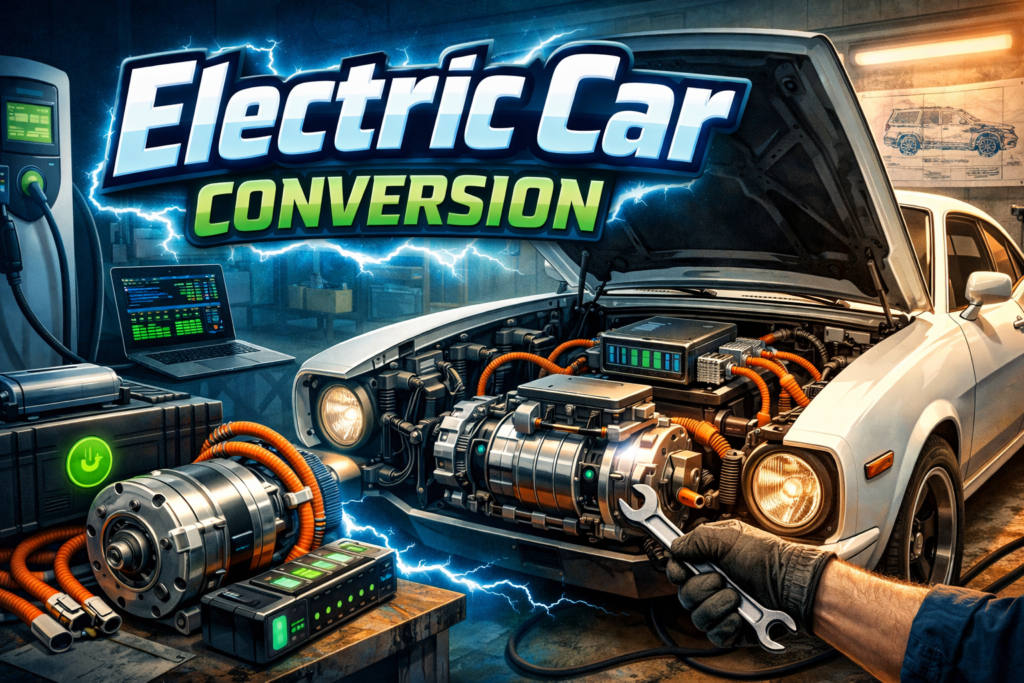
Electric car conversion means changing a regular car to run on electricity. Instead of gas, the car uses batteries and an electric motor. This is a way to make old cars cleaner and quieter.
What Is Electric Car Conversion?
It means taking out the gas engine and putting in an electric motor. You also add batteries to store power. The car then runs only on electricity. This can be done to many types of cars, from old classics to small modern cars.
Why Do People Convert Cars to Electric?
Save money on fuel: Electricity is cheaper than gas.
Help the environment: Electric cars do not release smoke or pollution.
Enjoy quiet driving: Electric motors are very quiet.
Keep old cars alive: Classic cars can run with modern electric parts.
How Does an Electric Car Conversion Work?
The basic steps to convert a car are:
Remove the gas engine, fuel tank, and exhaust system.
Install an electric motor where the engine was.
Add a battery pack to store electricity.
Connect a motor controller to manage the motor’s power.
Add a battery management system (BMS) to protect batteries.
Install a charger to recharge the batteries.
Update steering and brakes for electric power if needed.
After these steps, the car runs on electric power only.
Key Parts Needed for Conversion
Part
Purpose
Electric Motor
Makes the car move using electricity
Battery Pack
Stores electrical energy for the motor
Motor Controller
Controls speed and power of the motor
Battery Management System (BMS)
Protects batteries from damage
Charger
Recharges the batteries from electric power
Auxiliary Parts
Power steering, brakes, and wiring updates
Which Cars Are Easiest to Convert?
Some cars work better for conversion because of size and design. Popular choices include:
Volkswagen Beetle: Classic design, many parts available.
Land Rover Defender: Strong build and simple mechanics.
Honda CRX: Small and light, good for electric motors.
How Much Does Electric Car Conversion Cost?
The cost depends on many things. Here is a rough idea:
Cost Breakdown By Component & Method
DIY (Do It Yourself): $3,000 to $10,000
Universal Kits: $5,000 to $15,000
Vehicle-Specific Kits (Bolt-in): $10,000 to $20,000
Batteries: $5,000 to $12,000 depending on size
Professional Installation: $5,000 to $10,000 extra
Factors That Affect Cost
Battery Pack Size: Bigger batteries cost more.
Type of Vehicle: Small cars cost less to convert.
Performance Needs: Faster cars need stronger motors.
Labor: Doing it yourself saves money but needs skill.
Extra Parts: Brakes or suspension upgrades add cost.
Is Electric Car Conversion Legal?
Yes, but it depends on where you live. For example, in California, it is legal.
Rules say:
All power must come from onboard batteries.
The car must pass an inspection after conversion.
It must meet safety and emission standards.
Check local laws before starting a conversion project.
How Do Electric Car Batteries Work?
Most electric cars use lithium-ion batteries. These batteries store lots of energy in a small space. They are light and last long.
Here are some important points about these batteries:
The “sweet spot”: Charge batteries between 20% and 80% for best life.
Reduces stress: Avoid full charges and deep discharges.
Shallow vs. deep cycles: Shallow cycles help batteries last longer.
Sometimes, you must use full charge. For example, in cold weather or towing heavy loads.
Steps To Do a Conversion
Here is a simple way to plan your conversion:
Choose a suitable car.
Buy a conversion kit or parts.
Remove old engine and fuel parts.
Install electric motor and batteries.
Connect wiring and control systems.
Test all systems carefully.
Get legal inspection if required.
Where to Find Conversion Kits and Help?
There are many companies that sell parts and kits. Some well-known names are:
EV West: Kits for many car types.
Fellten: Affordable and easy-to-install kits.
Electric Classic Cars: Focus on classic car conversions.
You can also find many helpful videos online. They show how to convert cars step-by-step.
Tips for a Successful Electric Car Conversion
Start small if you are new to electric cars.
Learn about electrical safety before working.
Plan your budget carefully.
Keep track of all parts and tools needed.
Ask experts for help if you feel stuck.
Test the car in a safe place before driving on roads.
Benefits of Converted Electric Cars
Less noise pollution.
Lower running costs.
Cleaner air and less pollution.
More fun to drive with instant power.
Extend the life of old cars.
Frequently Asked Questions
How Much Would It Cost To Convert A Car To Electric?
Converting a car to electric typically costs between $6,000 and $20,000 or more. Costs vary by battery size, vehicle type, and labor. DIY conversions reduce expenses but require technical skills. Professional installations and high-performance parts increase the price. Budget kits start around $6,000, while luxury conversions can exceed $20,000.
Can I Legally Convert My Car To Electric?
Yes, you can legally convert your car to electric. The vehicle must pass inspection and meet local regulations. Ensure all power comes from onboard batteries. Compliance with safety and emissions standards is required for road use. Check specific state laws before starting your electric conversion project.
What Is The 80 20 Rule For Electric Cars?
The 80/20 rule for electric cars means 80% of daily trips use only 20% of the battery range. This optimizes charging and extends battery life.
What Is The Easiest Car To Convert To Electric?
The easiest cars to convert to electric are the Volkswagen Beetle, Land Rover Defender, and Honda CRX. They have simple designs and ample space for batteries. These models offer straightforward swaps with common electric motor kits, making conversions quicker and more affordable for beginners and DIY enthusiasts.
Conclusion
Electric car conversion is a way to change old cars to clean, quiet, electric vehicles. It takes work, parts, and money. But it helps save fuel and protect the environment. You can do it yourself or get professional help. Check laws in your area to be safe. Start with a good plan and learn step-by-step. Soon, your car can run on electricity and feel like new.