Many people want to know which car costs less: electric or gas. This article helps you learn the costs. We will talk about buying, fueling, and fixing both cars.
What Is an Electric Car?
An electric car (EV) runs on electricity stored in a battery. You charge it like a phone. It does not use gasoline or diesel. Many cities have places to charge electric cars.
What Is a Gas Car?
A gas car uses gasoline to run. You buy fuel at gas stations. These cars have an engine that burns fuel to move the car. Gas cars are common worldwide.
Cost to Buy: Electric vs Gas
One big cost is the price to buy the car. Electric cars usually cost more than gas cars at the start.
| Type of Car | Average Price |
|---|---|
| Electric Car | $40,000 to $60,000 |
| Gas Car | $20,000 to $30,000 |
The battery in electric cars is expensive. Batteries make up a big part of the price. But prices are going down every year. Some electric cars can be cheaper after government help.
Gas Vs Electric Car Cost Calculator: Ultimate Savings Breakdown 2026
Fueling Cost: Electricity Vs Gasoline
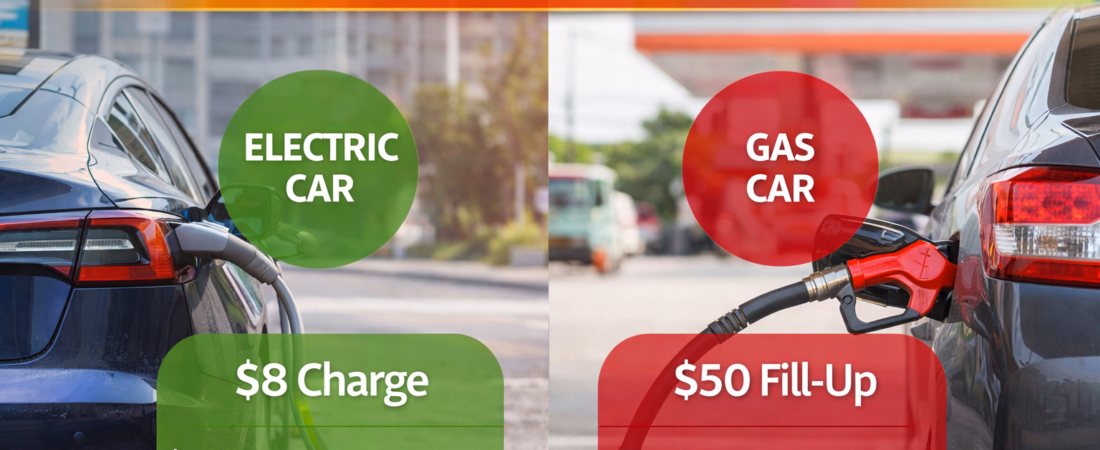
Fueling an electric car means charging the battery. Fueling a gas car means buying gasoline.
Electric Car Charging Cost
- Charging at home is cheapest.
- Cost depends on electricity rates in your area.
- Electric cars use about 3 to 4 miles per kilowatt-hour (kWh).
For example, if electricity costs 12 cents per kWh, and your car gets 3 miles per kWh, you pay about 4 cents per mile.
Gas Car Fuel Cost
- Gas prices change often.
- Average price in the US is about $3 per gallon.
- Gas cars get about 25 miles per gallon on average.
This means about 12 cents per mile for gas.
Fuel Cost Comparison Table
| Car Type | Fuel Cost per Mile | Annual Fuel Cost (12,000 miles) |
|---|---|---|
| Electric Car | 4 cents | $480 |
| Gas Car | 12 cents | $1,440 |
Costs vary by location and driving habits.
Maintenance Costs: Electric vs Gas
Maintenance means fixing and caring for the car. Electric cars have fewer moving parts. They do not need oil changes.
- Electric cars need less maintenance.
- Gas cars need oil changes and more engine care.
- Brake wear is less in electric cars because of regen braking.
- Batteries in electric cars may need replacement after many years.
On average, electric car owners spend less on maintenance each year.
Other Costs to Think About
Here are some extra costs for both cars:
- Charging Equipment: You may buy a home charger for $500 to $1,500.
- Gas Station Fees: Gas prices include taxes and sometimes extra fees.
- Insurance: Electric cars can cost more to insure because they are newer and more expensive.
- Tax Credits: Some governments give money back for buying electric cars.
How Long to Save Money with an Electric Car?
Electric cars cost more to buy. But they cost less to fuel and fix. Over time, you can save money.
| Years Owned | Electric Car Total Cost | Gas Car Total Cost | Cost Difference |
|---|---|---|---|
| 1 Year | $40,500 | $20,500 | Electric car costs more |
| 5 Years | $42,900 | $26,200 | Electric car still costs more |
| 10 Years | $47,700 | $33,400 | Electric car costs less |
After about 10 years, electric cars can save you money. This depends on gas and electricity prices.
Environmental Cost
Electric cars produce less pollution. They do not burn fuel. Gas cars create greenhouse gases. These gases harm the earth.
Charging electric cars with clean energy cuts pollution more.
Charging Options for Electric Cars
You can charge an electric car in different ways:
- Home Charging: Plug in at night. Cheapest option.
- Public Charging: Use stations around cities. May cost more.
- Fast Charging: Charges car quickly but costs more.
Factors That Change Costs
Costs can change based on:
- Where you live.
- How much you drive.
- Gas and electricity prices.
- Government rules and help.
Summary: Which Car Costs Less?
Here is a quick look at cost differences:
| Cost Type | Electric Car | Gas Car |
|---|---|---|
| Purchase Price | Higher | Lower |
| Fuel Cost | Lower | Higher |
| Maintenance | Lower | Higher |
| Insurance | Higher | Lower |
| Environmental Impact | Lower pollution | Higher pollution |
Overall, electric cars cost more to buy. But they cost less over time.
If you drive a lot, electric cars save more money. If you drive little, gas cars might be cheaper.