Electric cars are becoming more popular every year. Many people ask, “How long does an electric car battery last?” This question is very important. The battery is the heart of an electric vehicle (EV). Without a good battery, the car cannot run well. Let us explore this topic in simple words.
What Is an Electric Car Battery?
An electric car battery stores energy. This energy powers the car’s motor. Most electric cars use lithium-ion batteries. These batteries are like the ones in your phone but much bigger. They can hold a lot of power. This power helps the car move many miles without needing fuel.
How Long Do EV Batteries Last?
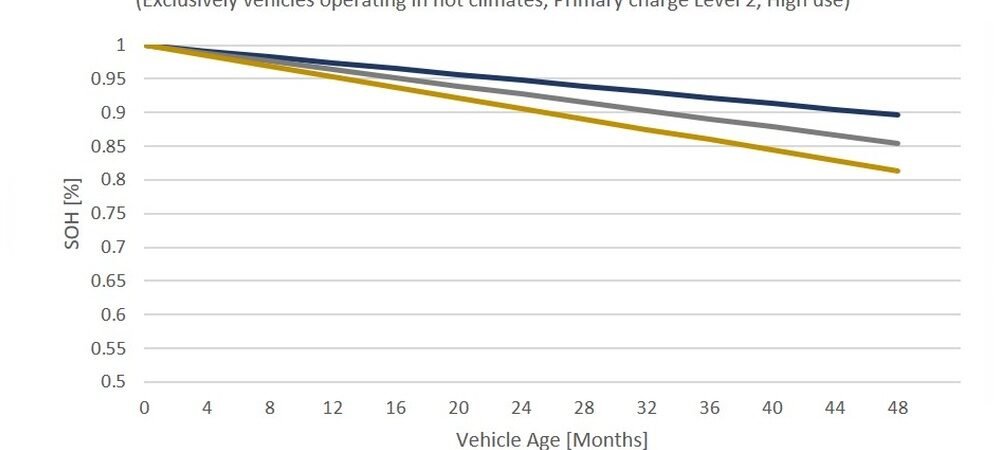
The life of an electric car battery depends on many things. Usually, batteries last between 8 to 15 years. Some can last even longer. This is about 100,000 to 200,000 miles or more. After this time, the battery will not hold as much charge as before. The car may not run as far on one charge.
Some well-known electric cars and their battery life:
| Car Model | Typical Battery Life | Notes |
|---|---|---|
| Nissan Leaf | 8 to 10 years | Affordable, widely used |
| Tesla Model S | 10 to 15 years | Long-range, premium model |
| Chevy Bolt | 8 to 12 years | Good range, popular in US |
| Rivian | 10 to 15 years | Newer model, robust battery |
Credit: www.greencarreports.com
What Affects Battery Life?
Many factors influence how long an EV battery lasts. Here are the main ones:
- Battery Size: Bigger batteries usually last longer but cost more.
- Driving Habits: Fast acceleration and high speeds use battery faster.
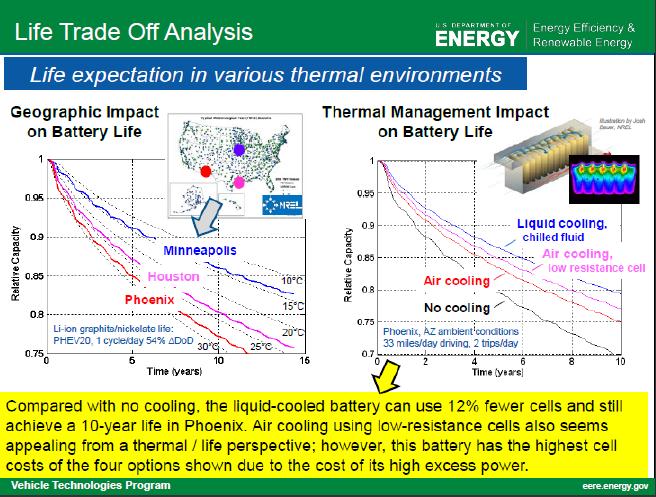
- Temperature: Very cold or very hot weather hurts battery health.
- Charging Habits: Charging too often or letting battery go very low can reduce life.
- Car Features: Using air conditioning or heating drains battery quicker.
How Much Does It Cost to Replace an EV Battery?
Replacing an electric car battery can be expensive. The cost depends on several things:
- Vehicle and Battery Size: Larger batteries cost more to replace.
- Manufacturer: Luxury brands often charge more for parts and labor.
- Labor Costs: Installation fees add to the total cost.
Here is an estimated price range for battery replacement:
| Car Model | Battery Replacement Cost |
|---|---|
| Nissan Leaf | $5,000 to $8,000 |
| Tesla Model S | $12,000 to $15,000 |
| Chevy Bolt | $7,000 to $10,000 |
| Rivian | Not widely available yet |
Battery prices are falling over time. New technology makes batteries cheaper to make. This means future replacements will cost less.
Credit: www.midtronics.com
How Long Does One Full Charge Last?
When fully charged, an electric car battery can power the car for many miles. The distance depends on the battery size and how you drive.
Typical ranges for some electric cars:
- Nissan Leaf: About 150 miles per charge
- Tesla Model S: Up to 370 miles per charge
- Chevy Bolt: Around 259 miles per charge
- Rivian: Estimated 300 miles per charge
Keep in mind, driving fast or using air conditioning lowers the range.
How to Make Your EV Battery Last Longer?
You can help your battery live longer. Follow these simple tips:
- Avoid fast acceleration and heavy braking.
- Keep your car in a garage to protect it from extreme weather.
- Charge the battery before it gets very low.
- Do not charge to 100% all the time; 80-90% is better.
- Use eco-driving modes if your car has them.
What Happens When the Battery Gets Old?
Over time, the battery loses capacity. This means it holds less power. Your car will not go as far on one charge. The performance may slow down. But the car still works well for daily use.
You can replace the battery if needed. Or, some companies offer battery refurbishment. They repair or upgrade old batteries at a lower cost.
Is Replacing an EV Battery Worth It?
Replacing the battery can be expensive. But it is often cheaper than buying a new car. Also, electric cars need less maintenance than gas cars.
Many EV owners find that replacing the battery extends the car’s life by many years. This saves money and helps the environment.
Why Choose Electric Cars Despite Battery Concerns?
Electric cars have many benefits:
- No gas needed, so no fuel cost.
- Lower maintenance costs.
- Quiet and smooth driving.
- Less pollution and cleaner air.
Even if the battery lasts 10 years, this is a good time for a car. You can drive many miles without spending much on fuel.
Summary
Electric car batteries usually last between 8 and 15 years. This depends on many things like battery size, how you drive, and weather. A full charge can take you 150 to 370 miles. Battery replacement costs vary but are becoming more affordable. You can help your battery last longer by driving carefully and charging smartly.
Electric cars are a good choice for many people. They run clean and save money on fuel. With proper care, the battery will last a long time. This makes electric cars practical for everyday use.
Frequently Asked Questions
How Much Does It Cost To Replace The Battery In An Electric Car?
Replacing an electric car battery typically costs between $5,000 and $20,000. Prices vary by battery size, vehicle brand, and labor fees. Luxury models and larger batteries demand higher costs. Battery technology improvements may reduce prices over time, making replacements more affordable in the future.
How Long Do Electric Car Batteries Last When Fully Charged?
Electric car batteries typically last 200 to 300 miles on a full charge. Range varies by battery size, driving habits, and temperature. Modern EVs provide reliable daily range, often exceeding 250 miles, with proper battery care ensuring long-term performance.
What Happens To Ev After 8 Years?
After 8 years, an EV battery typically retains about 70-80% of its original capacity. Performance may slightly decline. Many batteries still function well but might need replacement depending on usage. Battery replacement costs are decreasing, making it more affordable to maintain EVs long-term.
What Is The Downfall Of Owning An Electric Car?
The main downfall of owning an electric car is limited driving range and long charging times. Battery replacement costs can be high. Charging infrastructure is still developing in some areas. Extreme temperatures may reduce battery efficiency. These factors affect convenience compared to traditional gasoline cars.